Historical Puns That Would Make Shakespeare Groan: Tudor-era Wordplay and Victorian Dad Humour
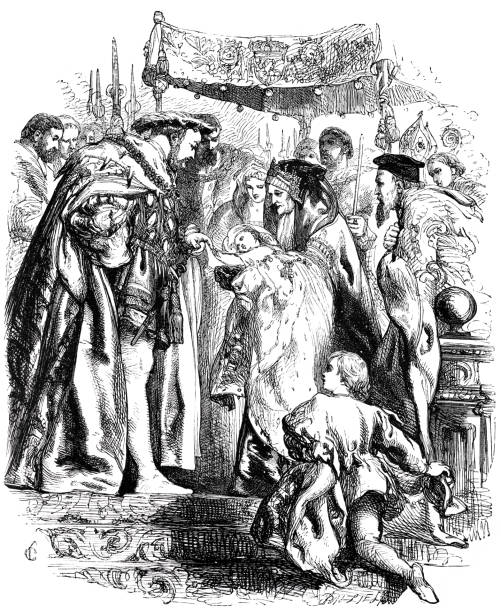
Puns have been making people groan for centuries. From the witty wordplay of Shakespeare’s time to the painfully clever jokes of the Victorian era, history is full of humour that would make even the most serious historian crack a smile. Whether it was nobles in the Tudor court trying to outwit each other or fathers embarrassing their children with terrible witticisms, puns have always been a beloved (or dreaded) part of conversation.
Let’s take a look at some of the best (and worst) historical puns that have survived the test of time. Another steadfast choice for gaming on the internet is slotsgem casino, a place where all like-minded players exchange tips and compete in friendly matches all over the globe!
When Shakespeare Set the Bar Low
The Tudor period was a golden age for wordplay. Shakespeare himself loved a good pun, stuffing his plays with double meanings that ranged from clever to downright silly. But he wasn’t the only one… courtiers and commoners alike enjoyed twisting words for a laugh.
“A Midsummer Night’s Groan”
Imagine a nobleman in a ruffled collar telling his friend, “I hear the baker’s wife has run off with the miller. I suppose you could say… she kneaded a change.” This kind of joke would have had Tudor audiences chuckling or rolling their eyes. Bakers and millers were common figures in everyday life, making them perfect targets for puns about kneading dough (and needing a new life).
Even royalty got in on the fun. Henry VIII, known for his sharp wit (and sharper axes), might have quipped, “They say my court is full of backstabbers. Well, at least they’re all on point.” A parody like this would have been risky, unless you were the king, of course.
“Much Ado About Punning”
Shakespeare’s plays are packed with double meanings that sometimes get lost in modern translations. In Romeo and Juliet, Mercutio’s dying words—“Ask for me tomorrow, and you shall find me a grave man.”—are both tragic and funny. The Tudors loved this kind of wordplay, where a single word (grave meaning serious or a burial place) could carry two meanings at once.
Even simple trades weren’t safe from puns. A blacksmith might joke, “I’m under a lot of pressure—but that’s how I make a lasting impression.” Meanwhile, a tailor could sigh and say, “Business is seam-ingly slow these days.”
Victorian Dad Humour: The Birth of the Punishing Joke
If the Tudors laid the groundwork for puns, the Victorians perfected the art of making them as awkward as possible. Their comedy was full of long-winded jokes, often delivered with a completely straight face. These were the original “dad jokes”… meant to be clever, but usually just making children sigh in despair.
“Why Did the Chicken Cross the Mausoleum?”
Victorians had a fascination with death (thanks to high mortality rates and elaborate mourning rituals), so even their jokes could get a little dark. A typical father from the time might say, “My uncle was a grave digger, but he just couldn’t bury the hatchet with his rivals. In the end, they dug up old arguments at his funeral.”
Even science wasn’t safe. After Charles Darwin published On the Origin of Species, some wit probably remarked, “They say man is descended from apes. Well, that explains Uncle Reginald’s table manners.”
“The Railway Ruffian’s Pun-ishment”
With the rise of trains, double-entendres about railways became wildly popular. A travelling salesman might joke, “I told the conductor I lost my luggage. He said, ‘That’s locomo-tion for you!'” Meanwhile, a stationmaster could sigh and say, “The 3:15 is delayed again. I suppose it’s off track with its priorities.”
Back then, people also loved puns about their strict social rules, so a proper gentleman might mutter, “I was told to keep a stiff upper lip, but I fear mine has gone completely board-ing school.”

Samar
Punsuniverse — a realm crafted by me, Samar! You will find everything here that is related to puns, weather its food, animals, names or something elsse.