Wellness Therapy: A Holistic Approach to Mental & Physical Health
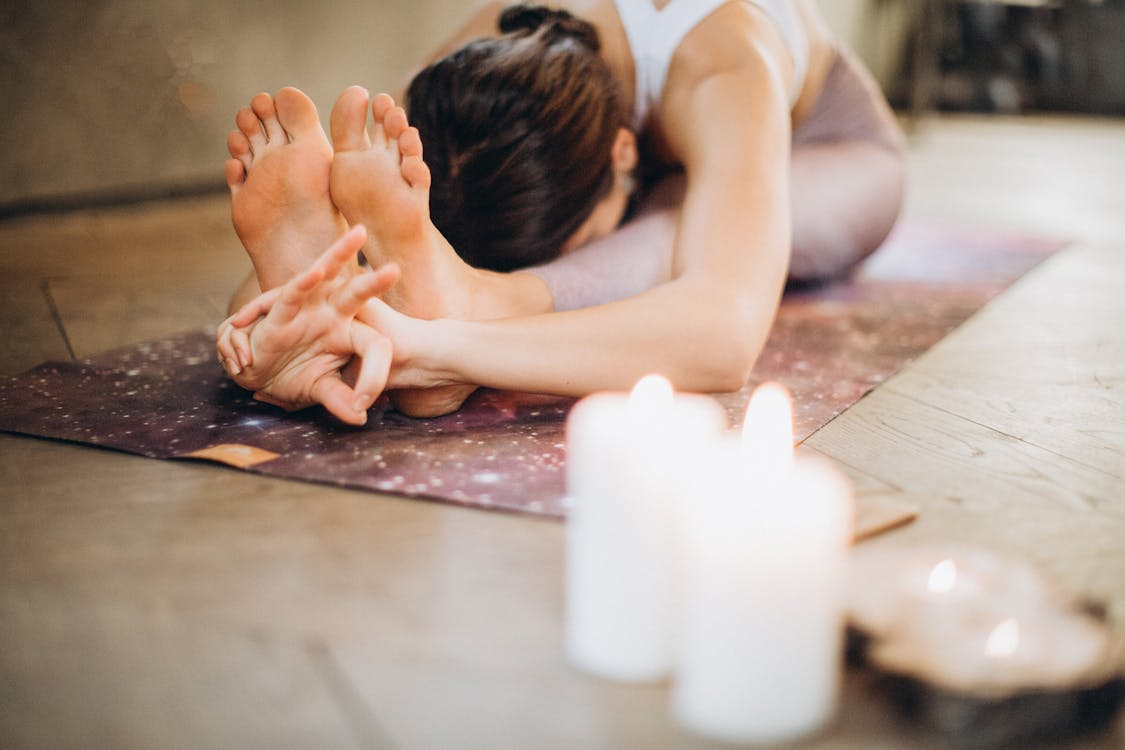
In today’s fast-paced world, finding a balance between mind, body, and spirit can feel like a challenge. That’s where wellness therapy comes in. It’s a holistic way to nurture your overall health. Unlike traditional medical treatments that focus only on symptoms, wellness therapy looks at the whole person. It combines practices that support mental clarity, emotional stability, and physical vitality. This approach helps people live healthier, happier lives addressing the root causes of stress, fatigue, or discomfort.
Wellness therapy isn’t just about fixing what’s wrong. It’s about building a lifestyle that promotes long-term well-being. Whether you’re dealing with daily stress, seeking personal growth, or wanting to improve your physical health, this approach offers tools to thrive.
In this article, we’ll explore what wellness counseling is, who it’s for, its core principles, different types of wellness treatment, and how you can pursue a career in this growing field.
What Is Wellness Counseling?
What is wellness counseling? At its core, it’s a process that helps people achieve balance in their lives by focusing on:
- Mental
- Emotional
- Physical health
Unlike traditional therapy, which might focus only on mental health challenges like anxiety or depression, wellness counseling takes a broader view. It looks at how your lifestyle, habits, and environment affect your health.
A wellness counselor works with you to find areas where you feel out of balance. Maybe you’re stressed from work, struggling with sleep, or feeling disconnected from your goals. They guide you to create healthy habits, set realistic goals, and develop coping strategies. This might include mindfulness exercises, nutrition advice, or stress management techniques. The goal is to empower you to take charge of your health in a way that feels sustainable.
Wellness counseling is often collaborative. Counselors don’t just tell you what to do. They listen, ask questions, and help you discover what works for you. Sessions might involve:
- Talking about your emotions
- Exploring your daily routines
- Even practicing relaxation techniques
Who Benefits from Wellness Counseling?
The beauty of wellness counseling is that it’s for almost everyone. You don’t need to have a specific problem to benefit from it. Here are some groups who often seek this type of support:
- Busy professionals. People juggling demanding jobs often face stress, burnout, or poor work-life balance. Counseling helps them manage stress and prioritize self-care.
- Students. Academic pressure, social challenges, or uncertainty about the future can weigh heavily. Wellness counseling offers tools to cope and stay focused.
- Parents. Raising kids while managing other responsibilities can be overwhelming. Counseling provides techniques to balance family life and personal well-being.
- People in transition. Whether it’s a career change, a move, or a major life event, wellness counseling helps navigate uncertainty with confidence.
- Anyone seeking growth. Even if you’re feeling okay, counseling can help you set goals, improve relationships, or find more joy in daily life.
No matter your age, background, or situation, wellness counseling can help you feel more in control of your life. It’s especially helpful for those who want to prevent problems before they start rather than wait for a crisis.
The Wellness Approach: Core Principles
The wellness approach is built on the idea that health is more than just the absence of illness. It’s about thriving in all areas of life. This approach is guided by a few key principles that shape how wellness therapy and counseling work:
- Holistic focus. Wellness looks at the whole person – mind, body, and spirit. For example, stress (a mental issue) can cause physical symptoms like headaches. So, both need attention.
- Prevention over cure. Instead of waiting for problems to get worse, the wellness approach encourages proactive habits like exercise, healthy eating, and mindfulness.
- Personalization. Everyone’s needs are different. A wellness plan might include different approaches, such as yoga for one person, journaling for another, or dietary changes for someone else.
- Empowerment. The goal is to give you the tools to manage your own health. Counselors teach skills like stress management or goal-setting so you can thrive independently.
- Balance. Wellness means finding harmony between work, relationships, self-care, and personal goals. It’s about creating a life that feels fulfilling.
These principles make the wellness approach flexible and adaptable. Whether you’re working with a counselor or practicing wellness on your own, these ideas guide you toward a healthier, more balanced life.
Types of Wellness Treatment & Therapy
There are many ways to practice therapy and wellness, and the right approach depends on your needs and goals. Here are some common types of wellness treatment and therapy:
- Mindfulness and meditation. These practices help calm the mind and reduce stress. Techniques like deep breathing, guided meditation, or body scans can improve focus and emotional health.
- Nutrition counseling. Food plays a big role in how we feel. A wellness counselor might work with you to create a balanced diet that boosts energy and supports mental clarity.
- Physical activity. Exercise, yoga, or even walking can be part of a wellness therapy plan. Movement improves mood, reduces stress, and keeps your body strong.
- Cognitive behavioral techniques. These help you change negative thought patterns and build healthier ways of thinking. It can improve your emotional well-being.
- Creative therapies. Art, music, or writing can be used to express emotions and reduce stress. These are great for people who find it hard to talk about their feelings.
- Holistic therapies. Practices like acupuncture, massage, or aromatherapy can complement other treatments by addressing physical and emotional tension.
Each type of wellness treatment can be tailored to fit your lifestyle. For example, if you’re too busy for long workouts, a counselor might suggest short, daily stretches. If meditation feels intimidating, they might start with simple breathing exercises. The key is finding what feels right for you.
How to Become a Certified Wellness Practitioner
If you’re passionate about helping others live healthier, happier lives, you might be wondering how to become a certified wellness practitioner. This career path is rewarding and allows you to make a real difference. Here’s a step-by-step guide to getting started:
- Get a relevant education. Many wellness practitioners start with a degree in psychology, counseling, health sciences, or a related field. While not always required, a degree gives you a strong foundation.
- Complete a wellness training program. Look for accredited programs that offer certifications in wellness coaching or counseling. These programs teach skills like goal-setting, stress management, and holistic health practices.
- Gain practical experience. Many programs require hands-on practice, such as internships or supervised coaching sessions. This helps you build confidence and learn how to work with clients.
- Earn a certification. The National Wellness Institute or the International Association of Wellness Professionals offer certifications. You’ll need to complete coursework, pass exams, and sometimes show proof of experience.
- Develop specialized skills. As a wellness counseling professional, you might choose to focus on areas like nutrition, mindfulness, or fitness. Extra certifications in these areas can make you stand out.
- Stay updated. Wellness is a growing field, so continuing education is important. Attend workshops, read up on new research, and network with other professionals.
- Build a practice. Once certified, you can work in private practice, at wellness centers, or even online. Marketing your services and building a client base takes time, but it’s rewarding.
How to become a certified wellness practitioner depends on your goals and the specific needs in your area. Some practitioners work full-time, while others offer services part-time alongside other careers. The key is a passion for helping others and a commitment to learning.
The rise of wellness therapy and wellness counseling reflects a growing awareness that health is more than just physical. Stress, burnout, and disconnection are common in modern life. People are looking for ways to feel better without relying only on medication or traditional therapy. The wellness approach offers a refreshing alternative by focusing on prevention, balance, and empowerment.
Whether you’re interested in trying wellness treatment for yourself or exploring how to become a certified wellness practitioner, the field offers endless possibilities. It’s about creating a life where you feel energized, connected, and fulfilled. By embracing therapy and wellness, you’re not just addressing problems — you’re building a foundation for a healthier, happier future.
If you’re curious about starting your wellness journey, consider reaching out to a certified wellness counselor or exploring local programs. For those interested in a career in this field, check out certification programs from reputable organizations like the NWI or IAWP. Wherever you are in your journey, wellness therapy can be a powerful tool for living your best life.

Samar
Punsuniverse — a realm crafted by me, Samar! You will find everything here that is related to puns, weather its food, animals, names or something elsse.