Transparent Apparel Supply Chains: How Brands Can Earn Consumer Trust
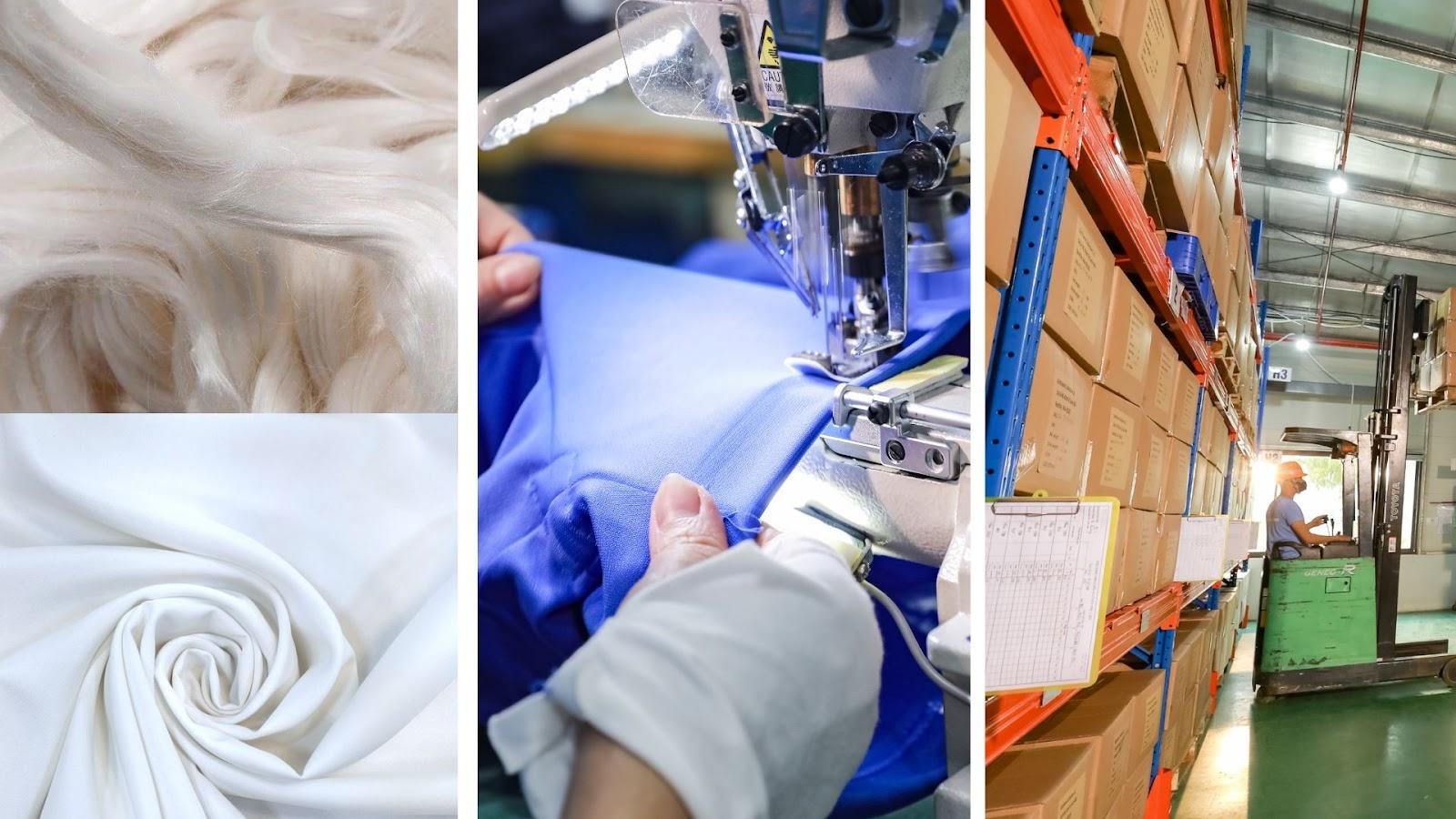
Today’s shoppers want more than just stylish clothes—they want to know how, where, and by whom those clothes were made. With growing concern about labor conditions, pollution, and climate change, transparency in the fashion supply chain is becoming a must. For brands, this means working closely with manufacturers who operate responsibly and are willing to share details at every step—from fabric sourcing to final delivery. When done right, transparency isn’t just about compliance—it’s a tool to build trust and long-term brand value.
Transparent Apparel Supply Chains: Building Trust with Consumers
Why Transparency in the Apparel Supply Chain Matters More Than Ever
Modern consumers are asking smart questions: “Who made my clothes?” “Are the workers treated fairly?” “What’s the environmental impact?” These questions reflect a shift in values. People no longer look only at design and price—they also care about ethics and sustainability.
In recent years, news of factory accidents, worker exploitation, and wasteful production has exposed the darker side of fashion. As a result, brands that show openness and responsibility now stand out. Whether you’re a premium label or a mass-market retailer, sharing information about your supply chain shows that you take your responsibility seriously.
This expectation doesn’t just come from shoppers. Buyers, investors, and business partners are also demanding greater visibility. They want to work with brands that meet clear ethical and environmental standards—and that means brands need to work with manufacturers who are equally transparent and responsible.
Brands that partner with sustainable clothing manufacturers or ethical clothing manufacturers have a better chance of building long-term trust with conscious consumers.

New regulations like the digital product passport are making supply chain transparency not just a choice, but a business requirement
New Laws and the Rise of the Digital Product Passport
Transparency is also becoming a legal requirement. In the EU and other regions, new rules are being introduced to hold brands accountable. One example is the digital product passport—a system that stores key product details like material origin, production process, and environmental footprint in a digital format that consumers can scan.
This tool makes transparency part of compliance. To meet these new rules, brands must work with manufacturing partners who can track and share accurate data from sourcing to shipping. Without full traceability, entering or staying in certain markets may become harder. In this new landscape, transparency is no longer a nice-to-have—it’s a must-have.

Choose a garment manufacturer with the ability to provide full transparency on fabric and trim sourcing throughout the supply chain
What Makes a Supply Chain Truly Transparent?
A transparent supply chain is one where every stage of production is clear, documented, and open to review—from the raw fiber to the packaged product. Here’s how that breaks down:
- Raw Material Sourcing
Brands should know where their cotton, polyester, bamboo, or other materials come from. That means working with suppliers who follow ethical sourcing practices, preferably with certifications such as GOTS or OCS. - Fabric Processing
This includes spinning, dyeing, and weaving or knitting. Brands and manufacturers should know which mills handle these steps and whether they follow clean practices—like proper chemical handling and wastewater treatment. - Cutting and Sewing
This is where the garment takes shape. Brands should work with factories that treat workers fairly, provide safe working conditions, and follow safety standards. Ethical clothing manufacturers often provide audits and certifications like SA8000 or WRAP to support their practices. - Packaging and Shipping
Brands aiming to reduce their environmental impact should also care about how clothes are packed and transported. Eco-friendly packaging and carbon-conscious logistics show that the commitment to sustainability goes beyond production.
The more transparent each of these steps is, the easier it is for brands to share their story—and win customer trust.
Choose a partner who can provide full transparency across materials, sourcing, and production—down to the smallest detail.
The Manufacturer’s Role in Supporting Ethical and Transparent Production
Transparency doesn’t happen by accident. It requires manufacturers who are willing to open their doors and work hand-in-hand with their clients. This is where experienced production partners like Thygesen Textile Vietnam come in.
Manufacturers play a central role in traceability. The best ones document each step—sourcing of yarns, use of subcontractors, third-party testing—and share it clearly. They work with certified suppliers and can show proof of compliance with global standards like OEKO-TEX®, GRS, FSC, GOTS, and more.
For brands that prioritize ethics, working with certified ethical clothing manufacturers makes the process smoother and more reliable. These factories already follow rules for labor rights, working hours, and safe conditions—and they apply the same standards to any partners they subcontract to, such as printers or embroiderers.
Manufacturers also add value by being proactive. Many go beyond basic compliance and help brands reduce fabric waste, choose greener materials, or use LEAN systems to improve efficiency. This is especially important for brands that produce technical or high-performance products—such as those working with an activewear manufacturer—where durability, sustainability, and innovation all matter.
Manufacturers like Thygesen don’t just make garments—they help build transparent, ethical, and future-ready supply chains.

In conclusion, transparency is no longer optional—it’s expected. Brands that openly share how their products are made can build stronger relationships with customers, reduce risk, and stay ahead of changing regulations.
But to make transparency real, brands need the right manufacturing partners—those who understand the importance of traceability, follow ethical standards, and are ready to support responsible growth. Whether you’re working with sustainable clothing manufacturers, ethical clothing manufacturers, or activewear manufacturers , choosing the right partner makes all the difference.

Samar
Punsuniverse — a realm crafted by me, Samar! You will find everything here that is related to puns, weather its food, animals, names or something elsse.