How to Thrive in the Age of Digital Burnout
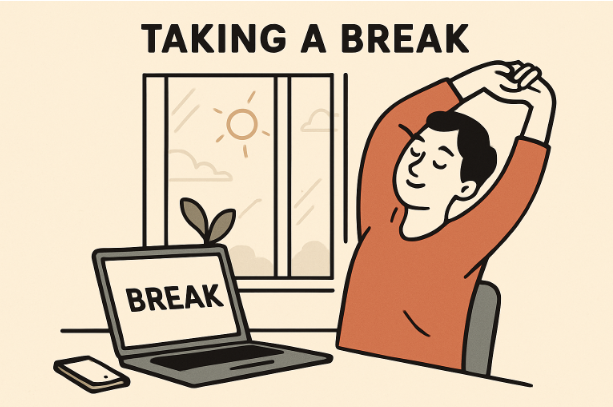
Table of Contents
- Introduction
- Understanding Digital Burnout
- Signs and Symptoms
- Effective Strategies to Combat Digital Burnout
- Implementing Digital Detox Periods
- Prioritizing Physical Activity
- Establishing Clear Boundaries
- Practicing Digital Mindfulness
- Conclusion
Introduction
Our lives are more interwoven with technology than ever, making digital burnout a reality for millions. Frequent notifications, endless emails, and remote work setups have blurred traditional boundaries, putting constant pressure on our mental health. Combatting this exhaustion starts with knowledge—understanding what digital burnout is and how modern solutions are redefining our relationship with digital devices. For example, many are trying Shift browserÕs approach to burnout to refresh their interaction with technology, shifting toward healthier tech habits to foster greater productivity and personal well-being.
Rather than allowing technology to overwhelm our day-to-day, some are embracing strategic breaks and mindful approaches to digital engagement. This proactive stance will enable people to reclaim their attention, reestablish boundaries, and use technology as a tool for good rather than a source of stress.
Understanding Digital Burnout
Digital burnout is the mental, physical, and emotional fatigue resulting specifically from overuse of digital technologies. Today’s ‘always-on’ work culture, boosted by remote work and social media, makes it harder than ever to unplug and refresh. Overexposure can lead to exhaustion, dissatisfaction, and even physical symptoms, ultimately eroding productivity and personal happiness.
The growing problem isn’t just about how much technology we use, but how we use it. Many individuals report feeling tethered to their devices outside work hours, questioning where the workday ends and personal time begins. These seamless digital engagements create a situation where rest becomes elusive and “turning off” requires deliberate effort.
Signs and Symptoms
Recognizing digital burnout early can help prevent serious consequences. Common warning signs include:
- Feeling persistently tired and lacking energy, despite adequate sleep
- Noticing a dip in motivation, productivity, or enthusiasm for tasks
- Experiencing irritability, anxiety, or elevated stress levels without obvious causes
- Struggling to focus or facing ‘brain fog’ during or after device use
- Suffering from physical symptoms, such as headaches, frequent eye strain, or neck and back pain
These symptoms may develop gradually, making it easy to brush them off as normal. However, untended digital burnout can have long-term impacts on mental and physical health, emphasizing the importance of finding balance.
Effective Strategies to Combat Digital Burnout
Beating digital burnout is achievable by setting intentional boundaries, embracing healthier lifestyle habits, and practicing digital mindfulness. These approaches create balance in an always-connected world and help restore focus and energy. Consider the following practices as practical first steps toward fostering healthier relationships with technology and improving overall well-being:
Implementing Digital Detox Periods
Taking structured breaks from technology is one of the most effective ways to address digital overload. Setting aside daily or weekly “tech-free” intervals, such as during meals or before bedtime, provides your mind with the necessary space to rest. These periods can help realign focus, reduce stress, and reestablish a more conscious approach to digital interaction. Even simple tweaks, such as silencing non-essential notifications or employing apps designed to limit screen time, are steps toward a more balanced lifestyle. Larger publications recommend digital detox strategies for improved mental health.
Prioritizing Physical Activity
Physical movement counteracts the sedentary nature of constant screen use, benefiting both mind and body. Even short, frequent breaks for stretching or walking can relieve eye fatigue and muscle tension. Engaging in regular exercise is known to boost endorphin levels, support better sleep, and improve mood—all of which cut through the fog of digital burnout. Consider integrating moments of movement into your digital routine, such as adopting the “20-20-20 rule” (looking 20 feet away for 20 seconds every 20 minutes) or setting reminders to get up and move.
Establishing Clear Boundaries
Defining when, where, and how you interact with technology can protect your downtime and relationships. Set aside device-free areas in your living space, like the dining table or bedroom, and communicate these boundaries to friends and colleagues when necessary. Mark defined “work” and “personal” hours as keeping work emails off your phone outside of office time, for example. These boundaries encourage people to be present with loved ones, boost recovery, and ultimately increase long-term productivity.
Practicing Digital Mindfulness
Mindful technology use means being aware of your habits and their impact. Cut down on mindless scrolling, unsubscribe from non-essential emails, and curate your feed to show content that inspires rather than overwhelms. Pause reflexively before opening apps and set intentions for your device use. Practicing mindfulness not only lowers anxiety but also enhances your sense of control over technology, rather than letting it dictate your actions.
Conclusion
Digital burnout is a modern challenge but not an unavoidable fate. You can build a healthier relationship with technology by identifying the signs early and adopting practical strategies like digital detoxes, increased physical activity, clear boundaries, and mindful digital engagement. For individuals and organizations, embracing mindful and balanced approaches paves the way for greater well-being and sustainable productivity in the digital age.

Samar
Punsuniverse — a realm crafted by me, Samar! You will find everything here that is related to puns, weather its food, animals, names or something elsse.