Navigating Your First Herpes Outbreak: A Practical Guide
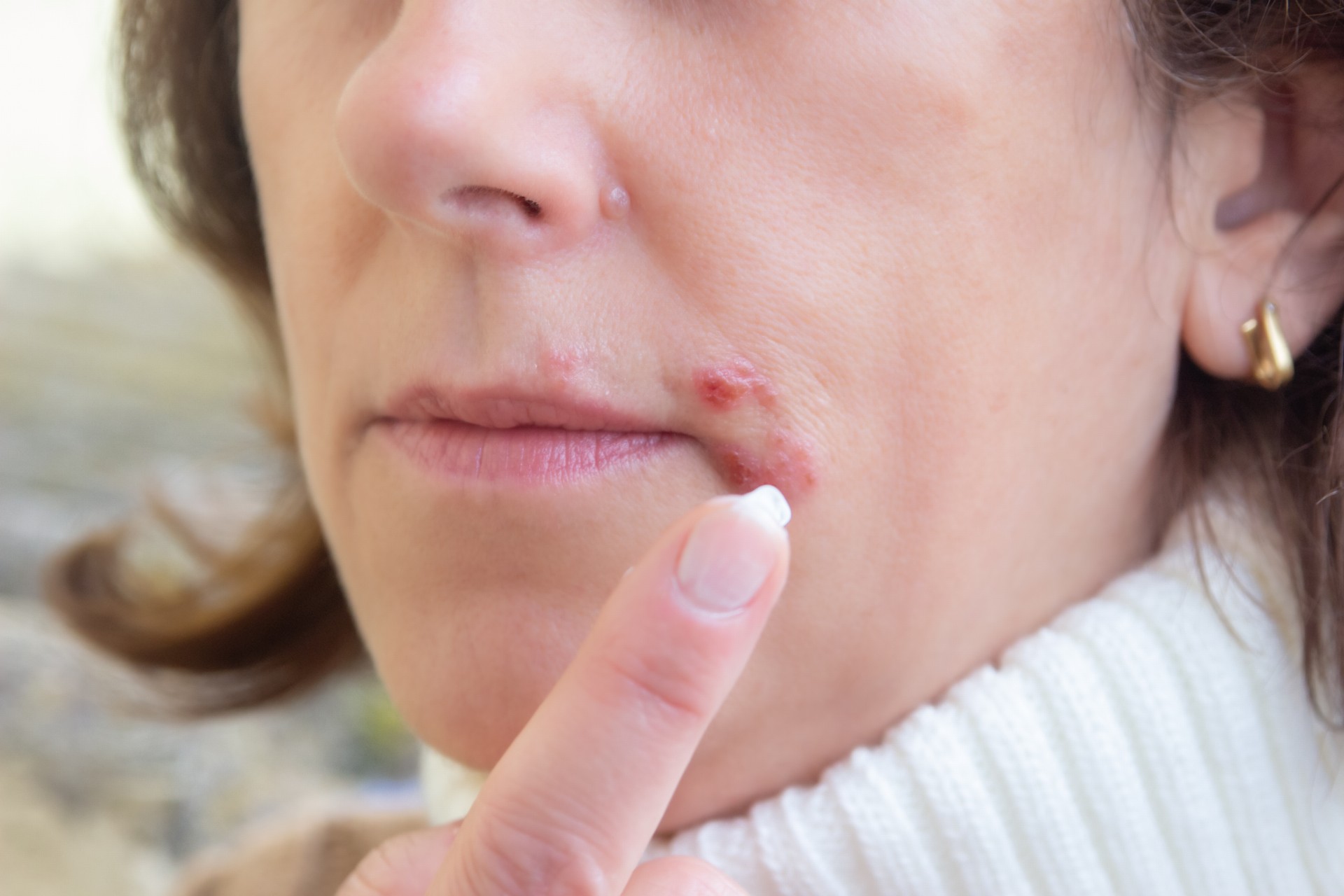
It’s never easy dealing with and accepting that you have herpes, but never more so than when your first outbreak takes hold. However, know that you’re not by yourself in this journey, and there are straightforward ways to deal with the discomfort and move on.
What’s Going On?
The first-time herpes flares up, it’s often the toughest. According to the herpes simplex guide, expect it to last about 7 to 10 days, though it may linger longer. Before you see anything, you might feel tingling or burning in the area, that’s your body giving you a heads-up, known as the prodrome phase.
When the outbreak hits, you’ll likely notice painful blisters or sores. You might also feel like you’ve got the flu, with symptoms like fever, body aches, or swollen lymph nodes. It’s normal to feel run-down as your immune system figures out how to tackle the virus. Try not to worry, it’s just your body doing its job.
Subduing the Pain
Let’s be real: herpes outbreaks can hurt. But you’ve got options to make it more bearable. Over-the-counter meds like ibuprofen or acetaminophen can take the edge off both pain and fever. Ibuprofen’s especially good since it also cuts down on inflammation.
Here are some practical ways to find relief:
- Wrap an ice pack in a thin cloth and apply it for 10-15 minutes at a time.
- Soak in a warm bath with Epsom salts for some comfort.
- Try numbing creams with lidocaine, but steer clear of open sores.
- Keep the area clean and dry to avoid extra irritation.
Wearing loose, breathable clothes, like cotton underwear, can also help you stay comfortable by reducing friction.
Time to Call the Doc
As soon as you suspect a herpes outbreak, get in touch with your healthcare provider. Starting antiviral meds early can make a big difference in how bad the outbreak gets and how long it lasts. If you’re dealing with intense symptoms—like trouble urinating, signs of a secondary infection, or if your immune system is weakened—reach out to your doctor right away. They might prescribe antivirals like acyclovir, valacyclovir, or famciclovir to help your body fight back.
Antiviral Meds
Antiviral medications are most effective if you start them within 72 hours of noticing symptoms, so don’t wait to see a doctor. These meds won’t cure herpes, but they can shorten outbreaks and make them less intense. For your first outbreak, your doctor will likely suggest episodic treatment, where you take meds only during a flare-up. Some people may later opt for daily suppressive therapy to keep outbreaks at bay.
What You Can Do to Speed Up Recovery
Your body needs time to heal, but you can support it with a few simple habits. Drink plenty of water and prioritize rest, your immune system works best when you’re not exhausted. Avoid touching the affected area unless necessary, and if you do, wash your hands right away to prevent spreading the virus. Clean the area gently with mild soap and water, then pat it dry carefully. Some folks find that a thin layer of petroleum jelly on healed skin helps prevent cracking.
A herpes diagnosis can stir up all kinds of emotions: anxiety, sadness, or even frustration. That’s completely okay. Herpes is way more common than you might think: about 1 in 6 people have HSV-2, and even more have HSV-1.
You’re not alone in this. Talking to a counselor who gets STIs or joining a support group can make a big difference. Your mental health is just as important as your physical recovery, so give yourself permission to feel and process it all.

Samar
Punsuniverse — a realm crafted by me, Samar! You will find everything here that is related to puns, weather its food, animals, names or something elsse.