Are Spiders Dangerous? What You Need to Know
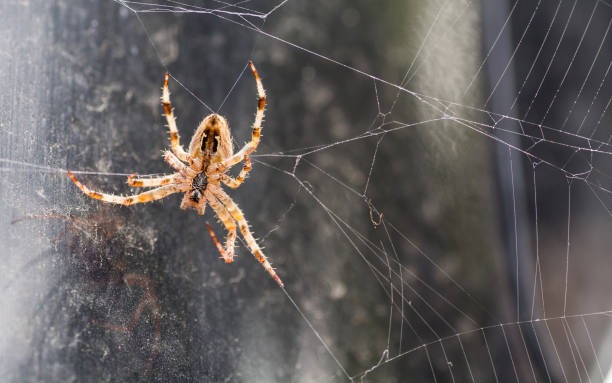
Lots of people are scared of spiders, picturing them hiding in dark corners, ready to bite. But really, only a few types of spiders are dangerous to us. This big fear mostly comes from misunderstandings and how they’re shown in movies.
By getting to know the truly risky spiders, like the black widow and brown recluse, you can learn more about how they look and what their bites are like. Knowing this stuff not only keeps you safe but also helps you deal with spiders better, turning fear into smart caution.
Common Misconceptions About Spiders
A lot of people think all spiders are dangerous, but that’s not true. Sure, some have venom that can hurt us, but most are harmless and actually pretty helpful. They eat loads of bugs, so they’re like natural pest control for our homes and gardens.
So why do we keep thinking they’re scary? It’s mostly because of how they’re shown in films and stories—we see them as deadly creatures, even though that’s not really the case. Movies and news make them seem scarier than they are, which freaks people out.
In truth, the spiders you usually find at home or in your garden just want to catch flies, not bite you. Like the Daddy Long Legs or the Jumping Spider—they won’t hurt you and don’t even want to.
By getting to know these harmless spiders, you can see how they help keep things balanced in nature, and maybe even start to like having them around.
Characteristics of Dangerous Spiders
Some spiders can be pretty dangerous to people because of their strong venom and sharp bites. The black widow and brown recluse are two to watch out for.
The black widow is easy to spot with its shiny black body and red hourglass on its belly. Its venom hits the nervous system, which can cause bad muscle pain and cramps.
They like to hang out in dark, quiet spots like attics or sheds, so it’s smart to be careful when you’re in those places.
On the other hand, the brown recluse is light brown with a violin shape on its back. Its bite mostly harms the skin around the spot, and in serious cases, it can cause the skin to die.
These spiders also like to hide away, and their bite can range from just annoying to really damaging, depending on how sensitive you are and how much venom you get.
Knowing what these spiders look like and where they like to stay can help you avoid them. Being aware and cautious, especially in areas they’re often found, is a good way to steer clear of nasty bites.
Symptoms of Spider Bites
Getting bit by a venomous spider can be a bit scary, but let’s break it down. At first, you’ll probably feel a sharp sting or a weird tingling where the spider bit you.
Usually, it gets red and puffy, but nothing to freak out about—it goes away in a few days. But watch out for baddies like the black widow or brown recluse—they can cause bigger problems.
If you start feeling feverish, chilly, or sick to your stomach, that might mean the venom’s on the move. Keep an eye on how you’re feeling. If you suddenly can’t breathe right, get bad cramps, or feel intense pain, it’s a good idea to see a doctor ASAP.
If things go downhill fast, don’t wait around—get help quickly. Keep checking the bite to see if anything changes. Most spider bites aren’t a big deal, but knowing what to watch for helps keep you safe.
Effective First Aid for Spider Bites
If a spider bites you, jump into action fast. First off, wash the bite with soap and water to keep it clean. Then, slap on an ice pack for about 10 minutes to chill any swelling and to ease the pain.
Monitoring Symptoms
Keep an eye on that bite! If it starts getting redder, more swollen, or hurts a lot, or if you feel feverish or have trouble breathing, it’s time to see a doctor soon.
Documenting the Incident
Try to remember what the spider looked like or snap a quick photo. This can really help the doctors figure out the best way to treat you.
Following these tips can help you handle spider bites like a pro and get medical help quickly if needed.
Preventing Spider Encounters
Spiders might give you the creeps, but keeping them out of your home or office is easier than you might think.
Regular Cleaning and Decluttering
Keeping your home tidy is a simple yet effective way to keep spiders at bay. Regularly vacuum carpets, rugs, and those dusty corners where these eight-legged creatures love to hide.
It’s a good idea to get rid of old newspapers and cardboard boxes that only gather dust and provide a perfect hiding spot for spiders.
Remember, less clutter means fewer places for spiders to settle in. For homes with recurring infestations, some people also turn to a spider control service for added peace of mind.
Sealing Entry Points
Spiders are experts at sneaking in through the smallest of gaps. Take a walk around your home and check windows, doors, and even around pipes for any cracks. Seal them up with caulk or weather stripping to keep those sneaky spiders out.
For an extra layer of protection, consider adding fine mesh screens to your windows and vents to block any unwanted visitors.
Maintaining Outdoor Spaces
Your garden plays a big role in keeping your home spider-free. Trim back any plants that are brushing up against the house and clear away piles of leaves and wood, as they’re like a welcome mat for spiders.
Switching to yellow outdoor lights can also help since they attract fewer insects, meaning spiders have less reason to hang around your doorways.
By keeping both the inside and outside of your home clean and sealed, you’ll make it far less inviting for spiders. Give these tips a go and enjoy a more spider-free environment!
When to Seek Professionals
Knowing when to see a doctor after a spider bite is super important. If you feel really bad pain, can’t breathe easily, or have big swelling and a rash, it’s time to get checked out by a doctor. These could mean a serious reaction, and waiting might make things worse.
Tell the doctor about the bite and, if you can, bring the spider along or describe it. Acting quickly can stop things from getting out of hand. Most bites aren’t a big deal, but being careful keeps you safe. When you’re unsure, it’s always a good idea to talk to a doctor.
Conclusion
Spiders might freak you out a bit, but they’re actually great at keeping pesky bugs under control in the UK. Sure, you should watch out for the black widow and brown recluse, but most spiders here aren’t dangerous and just want to stay away from us.
Knowing that local spiders, like the common house spider, aren’t harmful can help you chill out and appreciate their role in keeping things in balance.
It’s smart to take steps to avoid running into them and know how to handle bites if they happen. If a bite gets nasty or worrying, it’s a good idea to see a doctor to make sure everything’s okay.

Samar
Punsuniverse — a realm crafted by me, Samar! You will find everything here that is related to puns, weather its food, animals, names or something elsse.