How to Reduce the Environmental Costs of Electronic Waste
Key Takeaways
- Effective e-waste management hinges on recognizing its environmental footprint and taking informed action.
- Strict recycling standards and innovative technological processes are vital to reducing pollution and reclaiming materials.
- Moving toward a circular economy and implementing extended producer responsibility can make electronics consumption more sustainable for everyone.
Table of Contents
- Introduction
- Understanding the Impact of E-Waste
- Responsible Recycling Practices
- Adopting a Circular Economy Approach
- Extended Producer Responsibility (EPR)
- Consumer Education and Awareness
- Technological Innovations in E-Waste Management
- Policy and Legislation
- Conclusion
Electronic waste, also known as e-waste, is rapidly becoming one of the world’s most pressing environmental challenges. With portable devices, smart appliances, and computer hardware evolving at breakneck speed, consumers and businesses are generating unprecedented volumes of discarded electronics. These devices often contain hazardous elements and precious metals alike—making safe disposal and recycling more urgent than ever. Fortunately, options like efficient e-scrap recycling services offer practical solutions for disposing of outdated gadgets while recovering valuable resources. The actual environmental cost of e-waste extends beyond the accumulation of discarded devices to the impact of improper disposal, which can contaminate soil and water, harm human health, and waste materials that could otherwise be reused. Understanding and addressing these impacts is the first step toward smarter, more sustainable management of electronic devices. In this guide, you’ll discover best practices and innovative strategies to mitigate the environmental impact of e-waste, from responsible recycling to policy advancements.
Understanding the Impact of E-Waste
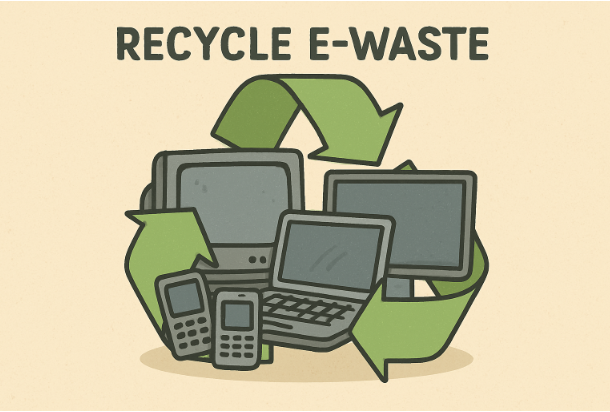
E-waste encompasses a wide range of items, including smartphones, laptops, and larger appliances such as televisions and refrigerators. Each of these items can contain a cocktail of toxic substances: lead, mercury, cadmium, and other heavy metals. When improperly handled or disposed of in landfills, these materials can seep into water supplies and enter the food chain, causing significant health and ecological risks. The staggering figure of 62 million metric tons of global e-waste generated in 2022—an increase of 82% since 2010—highlights the urgent need to develop innovative and practical e-waste management approaches. This trend not only threatens natural ecosystems but also results in the waste of valuable raw materials. Many electronics contain recoverable metals, such as gold, silver, and copper, which could be recycled back into the manufacturing process but are often lost in traditional disposal streams.
Responsible Recycling Practices
Certified e-waste recycling facilities use advanced processes to recover usable materials while safely managing hazardous waste. Initiatives like the e-Stewards program ensure recyclers adhere to the highest environmental and ethical standards, helping keep toxins out of landfills and water supplies. Responsible recycling also means supporting efforts to dismantle products safely, extract metals and plastics, and reduce overall pollution. Individuals and businesses can help by choosing certified recyclers for their outdated devices, ensuring that they are correctly processed. Additionally, local governments and industry groups are expanding their recycling infrastructure to provide more options for safe and convenient e-waste drop-off and pickup services.
Adopting a Circular Economy Approach
The linear “take-make-dispose” consumer model is unsustainable for electronics. The circular economy model, by contrast, emphasizes keeping products in use as long as possible through repair, refurbishment, and remanufacturing. By designing devices with recyclability and longevity in mind, manufacturers can significantly reduce waste. Meanwhile, consumers can contribute by purchasing durable products, keeping devices longer, or donating them for reuse.
Extended Producer Responsibility (EPR)
EPR is a policy tool that makes manufacturers responsible for the full lifecycle of their products—from design and production to collection and end-of-life recycling. When producers are held accountable, they’re more likely to create products that last longer, are easy to repair, and are less toxic. Governments worldwide are adopting EPR laws to improve e-waste collection rates and push the market toward safer, greener electronics.
Consumer Education and Awareness
An informed public can be a powerful force in reducing e-waste. Community initiatives, school programs, and global movements, such as Digital Cleanup Day, inspire consumers to clear out digital clutter and recycle unused gadgets responsibly. Awareness campaigns teach best practices for disposal and emphasize the long-term impacts of dumping electronics in landfills.
Technological Innovations in E-Waste Management
As the scale of e-waste grows, so does the need for innovation. Researchers are developing advanced separation and extraction methods that recover precious metals more efficiently and safely. For example, newer technologies can now extract gold from circuit boards with 99% purity, eliminating the need for hazardous chemicals and offering a safer alternative for both workers and the environment. Robotics and artificial intelligence are also being used to sort and dismantle complex electronic materials, increasing speed and safety in recycling processes.
Policy and Legislation
Robust legislation and policy frameworks are essential to supporting sustainable e-waste management. Pioneering efforts, such as the California Electronic Waste Recycling Act, require producers and consumers to take responsibility for e-waste while regulating hazardous substances in electronics. Global measures, such as the Basel Convention, address the cross-border movement of hazardous electronic waste and aim to prevent the dumping of e-waste in developing countries. Expanding such regulatory protections is crucial for a truly circular and sustainable electronics economy.
Conclusion
Combating the environmental costs of electronic waste requires a concerted effort on several fronts: responsible recycling, support for a circular economy, progressive policy adoption, ongoing innovation, and widespread education. Every step from individual action to regulatory enforcement can help limit pollution, conserve resources, and move us toward a healthier digital future. Reducing e-waste is not just a technical challenge, but a shared global responsibility.

Samar
Punsuniverse — a realm crafted by me, Samar! You will find everything here that is related to puns, weather its food, animals, names or something elsse.