Beyond The Injury: Holistic Elderly Recovery After A Fall
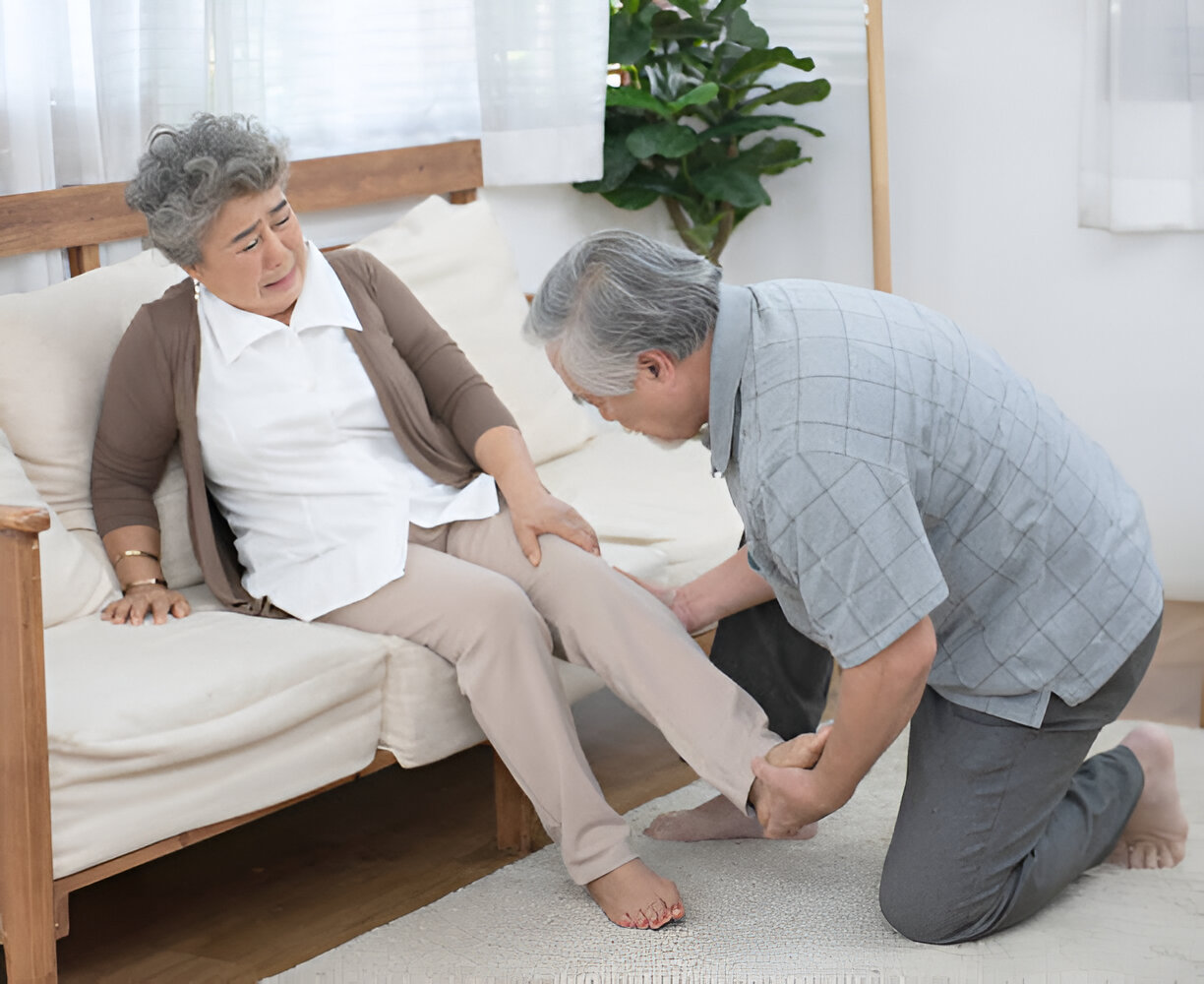
One second, you’re walking to the car, the next thing you know, you’re on the ground looking up. When you’ve experienced a significant fall, your first instinct might be to focus solely on what’s broken or bruised. That’s natural. But true recovery after a fall goes far deeper than mending bones or healing cuts. Your body, mind, and spirit all need attention to get you back on your feet—literally and figuratively.
The Path Beyond Physical Healing
Sure, you’ll need to follow your doctor’s orders about medications, physical therapy, and rest. But don’t stop there. Your body is remarkably resilient, even if it doesn’t feel that way right now. Think of elderly recovery after a fall as rebuilding a house after a storm—you’re not just patching the roof, you’re making the whole structure stronger.
Gentle movement becomes your friend, even when everything aches. Start small. Wiggle your toes. Roll your shoulders. These tiny movements tell your body that healing is happening. As you progress, consider activities like tai chi or water aerobics. They’re kind to aging joints while rebuilding the confidence that a fall can shake.
Nourishing Your Emotional Landscape
Here’s something many people don’t talk about: falls can be emotionally devastating. You might feel embarrassed, angry, or suddenly afraid of your own home. These feelings aren’t weakness—they’re human.
Give yourself permission to feel frustrated. It’s okay to grieve the independence you felt before. Many people find that talking with others who’ve experienced similar challenges brings unexpected comfort. Support groups aren’t just for “other people”—they’re for anyone navigating life’s unexpected detours.
Consider keeping a small journal. Nothing fancy. Just jot down one thing that went well each day, no matter how minor. “I made my own coffee.” “I walked to the mailbox.” These small victories add up to something powerful: proof that you’re moving forward.
Rebuilding Your Confidence Fortress
Fear after a fall is like an unwelcome houseguest—it tends to overstay its welcome. You might find yourself second-guessing every step, avoiding activities you once enjoyed, or feeling anxious about being alone.
Start by making your environment your ally:
- Remove throw rugs that could trip you
- Add grab bars where you need them most
- Spruce up the lighting in hallways and stairs
- Keep all your must have items within easy reach
But don’t let safety modifications become a prison. The goal isn’t to avoid all risk—it’s to manage it wisely while still living fully.
The Social Connection Lifeline
Isolation after a fall is common, but it’s also dangerous for your overall health. Your friends and family want to help, even if asking feels difficult. Be specific about what you need. “Could you drive me to my appointment on Thursday?” is easier for people to respond to than “I might need some help sometime.”
Consider this an opportunity to deepen relationships. People often feel honored when you trust them with your vulnerability. Let them in.
Looking Forward, Not Just Back
Recovery isn’t about returning to exactly who you were before your fall. It’s about becoming someone who’s learned, adapted, and grown stronger through challenge. You’re writing a new chapter, not trying to reprint an old one.
Certainly, some days will be harder than others, and you might feel like you’re sliding backward when you need extra time to get dressed or when simple tasks exhaust you. That’s not failure—that’s healing. Remember: you’re not just recovering from a fall. You’re discovering just how resilient you really are.

Samar
Punsuniverse — a realm crafted by me, Samar! You will find everything here that is related to puns, weather its food, animals, names or something elsse.