Centrifuge Tube Guide: Which Tubes Need Spinning & Material Differences
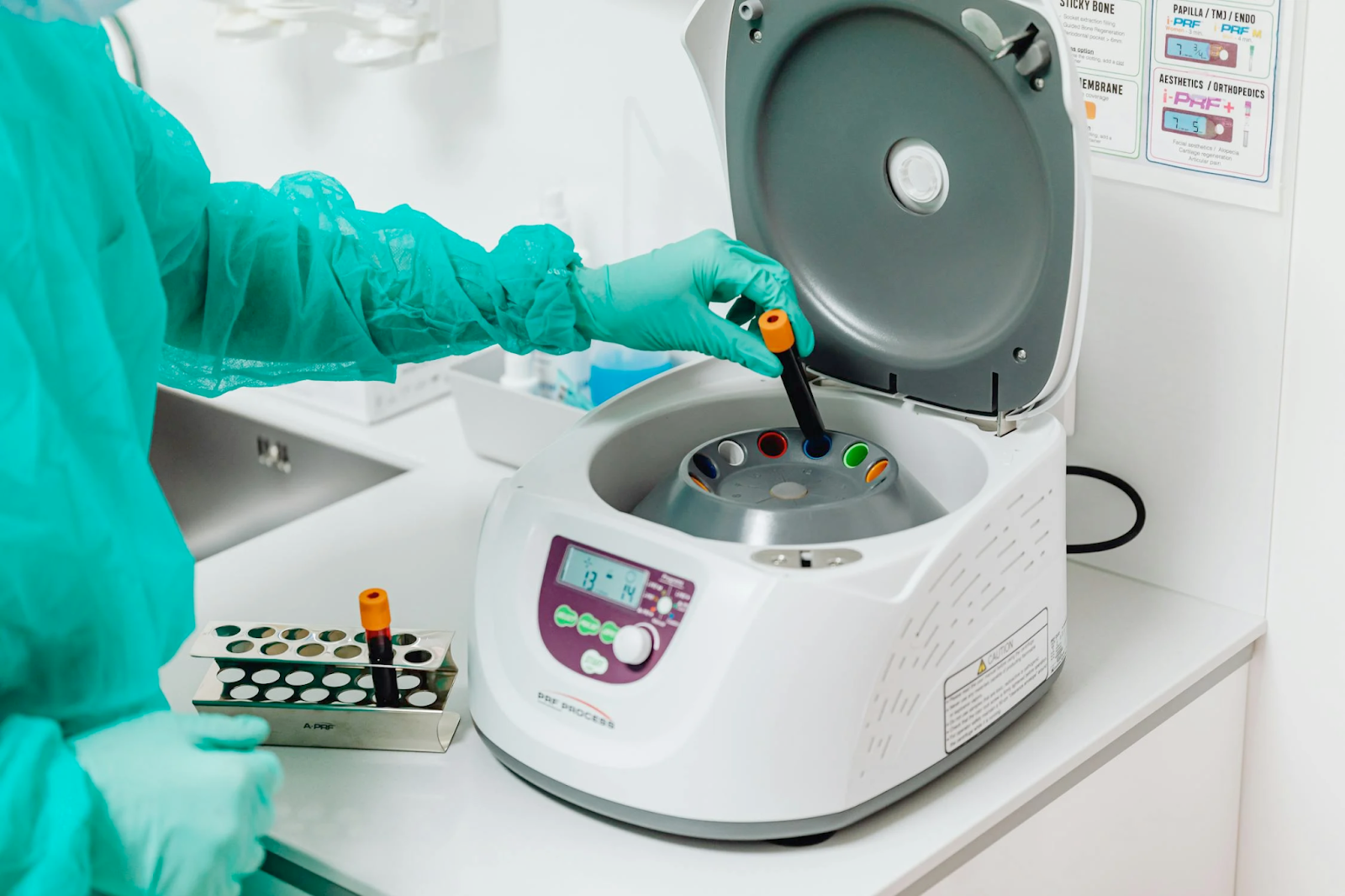
Centrifuges are essential tools in labs, used to separate components of a sample by spinning it at high speeds. Whether you’re working in a medical, research, or industrial setting, the centrifuge tube is an essential component. However, not all centrifuge tubes are identical!
This guide will walk you through which tubes require centrifugation, the differences between vials and test tubes, special requirements for blood collection, and the pros and cons of materials. By the end, you will know how to pick the appropriate tube for your centrifugation needs.
We’ll cover their sizes, from tiny 0.5 mL microcentrifuge ones to larger 50 mL options, and explain why matching your tool to your centrifuge matters. Safety is critical – using the wrong tool can lead to breaks, leaks, or ruined samples. You will also learn how tool design impacts results, making your lab work smoother and more reliable.
Which Tubes Need to Be Centrifuged? A Complete Guide
Not every tube in the lab needs to go into a centrifuge, but many do. However, it all depends on the task. So, which tubes need to be centrifuged? Here’s a breakdown:
- Biological Samples. Tubes holding blood, urine, or other bodily fluids often need spinning to separate cells, plasma, or other parts for testing.
- Cell Cultures. When working with cells, centrifugation helps pellet cells for further study or to remove media.
- Protein and DNA Work. Tubes with samples for DNA extraction, protein purification, or RNA isolation often require spinning to separate components.
- Chemical Mixtures. In chemistry labs, centrifugation separates precipitates or suspensions from liquids.
Tubes which do not need to be centrifuged are usually for storage, simple mixing, or tests that do not require centrifugation. However, always check your protocol. The type of tube – its size, shape, and material – also matters.
For example, small volumes might use microcentrifuge tubes (0.5-2 mL). Meanwhile, larger samples need 15 mL or 50 mL conical tubes. Make sure your tube can handle the centrifuge’s speed (measured in RPM or RCF) to avoid cracks or leaks.
Some tubes are for low speeds, like 1,000 RCF, while others handle 20,000 RCF or more. Consider sample viscosity – thicker samples may need longer spins or stronger tubes.
Temperature matters, too; cold spins at 4°C require tubes that will not crack. Check for leaks before spinning. And always use centrifuge tubes from reputable brands to ensure quality and consistency in your results.
Centrifuge Vials vs. Test Tubes: Key Differences
When centrifuging samples, you might wonder about the difference between centrifuge vials and centrifuge test tubes. Both are used in centrifuges. However, they serve slightly different purposes. The following comparison highlights their differences:
Shape:
- Vials. Often smaller, with a conical bottom to collect pellets (sediment) after spinning. Common sizes are 1.5 mL or 2 mL, perfect for microcentrifuges.
- Test Tubes. Usually longer and cylindrical, sometimes with a rounded or flat bottom, used for larger volumes (5 mL to 50 mL).
Use:
- Vials are great for small-scale work like DNA, RNA, or protein prep.
- Centrifuge test tubes handle bigger samples, like blood or chemical mixtures, in standard or high-speed centrifuges.
Lids:
- Vials often have snap caps or screw caps for a tight seal.
- Test tubes might use screw caps, stoppers, or no cap. It depends on the model.
Both types need to withstand high speeds. However, vials are often thicker for microcentrifuge forces (up to 20,000 RCF). Meanwhile, test tubes vary based on design.
Choosing between them depends on your sample size, centrifuge type, and lab goal. Always check the manufacturer’s rating for speed and compatibility. Centrifuge vials are ideal for precise, small-volume work. Meanwhile, test tubes shine in bulk processing. Some vials come graduated for easy volume checks, and test tubes might fit specific rotors better. Consider spin time – longer spins need durable tubes. Match your choice to the rotor of your centrifuge, like fixed-angle or swing-bucket, for safety and efficiency.
Blood Collection Tubes: Blood Tube Centrifuge Requirements
Blood samples are a big part of medical and research labs. The blood tube centrifuge process is critical for accurate results. Blood collection tubes come in various types, each with a purpose. Most require spinning to separate components like plasma, serum, or cells. Key considerations include:
Types of Blood Tubes:
- Red Top. No additive, used for serum tests; spin to separate serum from clotted blood.
- Purple Top (EDTA). Prevents clotting, used for whole blood or plasma; centrifuge for plasma separation.
- Green Top (Heparin). Anticoagulant for plasma tests requires spinning.
- Gold/Red-Gray Top. Contains a gel to separate serum from cells after centrifugation.
Blood Tube Centrifuge Settings:
- Speed. Typically, 1,000 to 3,000 RCF (check tube instructions).
- Time. Usually 10-15 minutes, depending on the protocol.
- Temperature. Often room temp, but some tests need 4°C to protect samples.
Safety Tips:
- Balance tubes in the centrifuge to avoid damage or uneven spinning.
- Use tubes rated for your centrifuge’s speed to prevent breaks.
- Do not overfill – follow the fill line of the tube to avoid leaks or bursting.
Proper handling and spinning ensure clean centrifugation for tests like cholesterol, glucose, or hormone levels. Always follow your lab’s guidelines and the tube manufacturer’s specs. Some tubes have additives that affect spin time, so read labels carefully. Avoid re-spinning, as it can damage blood cells. Use a timer for consistency, and store spun samples properly. Some need refrigeration to stay stable.
Polystyrene vs Polypropylene Tubes: Material Showdown
The material of your tube matters a lot in centrifugation. The big debate is about polystyrene vs. polypropylene tubes. Each has strengths and weaknesses. They differ in several key ways:
Polystyrene Tubes:
Pros:
- Clear. Great for seeing your sample.
- Affordable. Good for basic, low-speed uses.
- Lightweight. Easy to handle.
Cons:
- Brittle. Can crack at high speeds (usually limited to 1,000-3,000 RCF).
- Chemical Sensitivity. Not great with harsh solvents like acetone or chloroform.
- Best For. Low-speed spins, simple storage, or optical tests (e.g., spectrophotometry).
Polypropylene Tubes:
Pros:
- Durable. Handles high speeds (up to 20,000 RCF or more) without breaking.
- Chemical Resistance. Stands up to acids, bases, and organic solvents.
- Versatile. Works for microcentrifuges, high-speed, or ultracentrifuges.
Cons:
- Less Clear. Slightly cloudy, though still usable for most tasks.
- Cost. A bit pricier than polystyrene.
- Best For. DNA, protein work, or any high-speed centrifugation.
Polystyrene vs. polypropylene tubes verdict – polypropylene wins for strength and versatility, especially in demanding spins. Polystyrene is fine for gentle, low-speed tasks or when clarity matters. Check the maximum speed of your centrifuge and the requirements of your sample before choosing! Polypropylene resists temperature extremes better, like -80°C for freezing. Polystyrene’s clarity helps in visual checks, but it is fragile. Some labs mix both – polystyrene for storage, polypropylene for spinning. Always store centrifuge tubes properly to avoid material degradation.
Choosing the Right Tube for Your Centrifuge Application
Picking the right centrifuge tube ensures safety, accuracy, and efficiency in your lab work. Consider these factors when selecting tubes:
Sample Type:
- Biological (blood, cells). Use conical tubes or blood collection tubes, often polypropylene.
- Chemical. Polypropylene for solvent resistance.
- Optical tests. Polystyrene for clarity.
Volume:
- Small (0.5-2 mL). Microcentrifuge vials.
- Medium to Large (5-50 mL). Centrifuge test tubes.
Centrifuge Speed:
- Low (under 3,000 RCF). Polystyrene or polypropylene works.
- High (10,000+ RCF). Polypropylene only, check tube rating.
Other Factors:
- Lid Type. Screw caps or snap caps for a secure seal during spinning.
- Sterility. Pre-sterilized tubes for cell culture or medical use.
- Temperature. Some tubes handle cold (4°C) or freezing (-80°C) better, especially polypropylene.
Safety Check:
- Match tube to centrifuge rotor (e.g., fixed-angle or swing-bucket)
- Balance tubes by weight to avoid rotor damage
- Never exceed the maximum speed rating of the tube or fill limit
No single centrifuge tube fits all. For example, a 1.5 mL polypropylene vial is perfect for DNA spinning at 15,000 RCF. Meanwhile, a 15 mL polystyrene tube works for a gentle 2,000 RCF spin of a cell culture. Read your protocol, check tube specs, and consult your centrifuge manual. The right choice keeps your samples safe and your results reliable. Consider the batch size – buying in bulk saves money. Label tubes clearly to avoid mix-ups, and inspect for cracks before use. The model of your centrifuge matters as well. Therefore, check rotor specifications for optimal compatibility.

Samar
Punsuniverse — a realm crafted by me, Samar! You will find everything here that is related to puns, weather its food, animals, names or something elsse.