How LED Face Masks Help Treat Acne and Breakouts
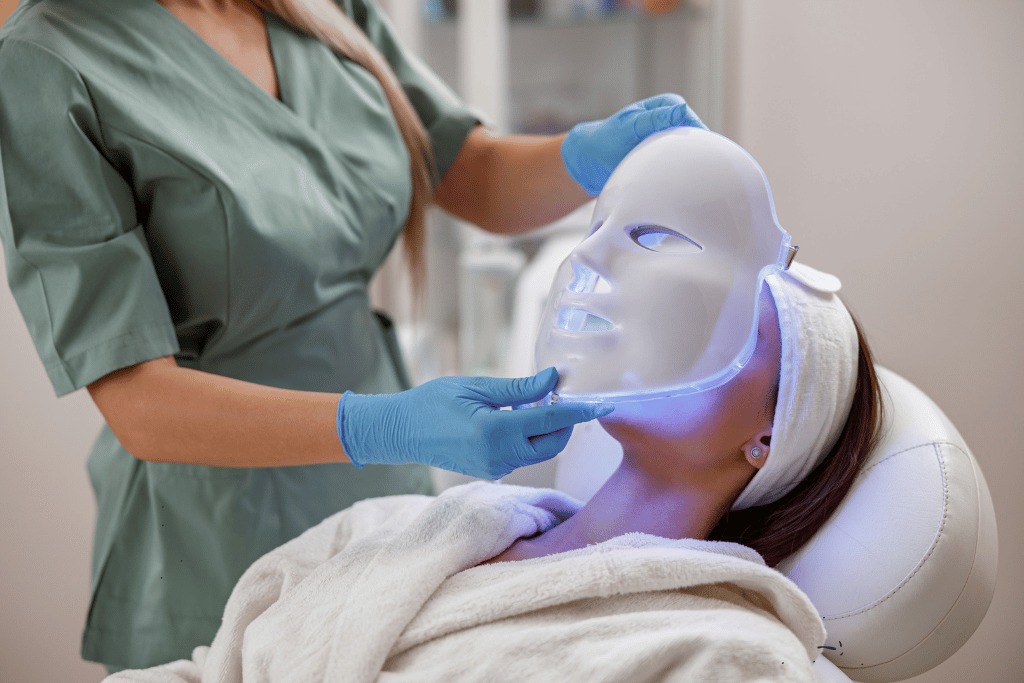
Acne is a persistent skin concern that affects millions of people worldwide, regardless of age or skin type. From teenage hormonal changes to adult stress and environmental factors, breakouts can be both physically uncomfortable and emotionally draining. In the constant search for effective acne treatments, many are turning to a high-tech solution: LED face masks. These futuristic-looking devices have gained popularity for their non-invasive, pain-free approach to clearer, healthier skin. But how exactly do they work? And more importantly—do they actually help treat acne and breakouts?
Let’s dive into the science behind LED face masks, how they work, and why they’re becoming a must-have tool in the skincare routines of acne sufferers.
What Are LED Face Masks?
LED (Light Emitting Diode) face masks are wearable devices that emit different wavelengths of light to target various skin concerns. Originally developed by NASA for wound healing and tissue growth in space, LED light therapy has since been adapted for dermatological use, particularly in treating acne, signs of aging, and inflammation.
These masks typically cover the entire face and have built-in LED lights that shine at specific wavelengths—each color of light penetrates the skin at different depths and addresses a specific issue. The most common types used in acne treatment are blue and red light.
The Science Behind It: How Light Therapy Targets Acne
Acne develops when pores become clogged with oil, dead skin cells, and bacteria—particularly Propionibacterium acnes (P. acnes), which causes inflammation and infection in the skin.
LED face masks use blue light (usually around 415 nanometers) to kill acne-causing bacteria. Blue light has been shown to penetrate the skin’s surface and trigger a chemical reaction that destroys P. acnes without harming the surrounding tissue. This reduces breakouts and prevents future ones from forming.
On the other hand, red light (around 630–660 nanometers) works deeper in the skin to reduce inflammation and promote healing. Red light increases circulation, stimulates collagen production, and helps reduce the redness and swelling associated with acne.
Together, blue and red light create a powerful combination: blue light attacks the bacteria, while red light soothes inflammation and supports the skin’s natural repair process.
Key Benefits of Using LED Face Masks for Acne
Non-Invasive and Painless
Unlike chemical treatments or prescription medications that may cause side effects like dryness or irritation, LED therapy is completely painless and non-invasive.
Safe for Most Skin Types
LED therapy is generally safe for all skin tones and types, including sensitive skin. Since there are no harmful UV rays involved, it won’t cause sunburn or increase the risk of skin damage.
Reduces Breakouts Over Time
With consistent use (often 3–5 times per week for 10–20 minutes), users often see a noticeable reduction in the frequency and severity of breakouts.
Improves Skin Texture and Tone
Red light not only reduces inflammation but also improves overall skin texture, diminishes acne scars, and helps fade post-acne marks.
Can Be Used at Home
While professional LED treatments are available at dermatology clinics, many at-home LED face masks now offer similar benefits—making it easier and more affordable for users to maintain a regular skincare routine.
What to Expect When Using an LED Face Mask
It’s important to understand that LED light therapy is not a quick fix. Results typically become noticeable after several weeks of consistent use. Improvements in skin clarity, reduced inflammation, and fewer breakouts can be seen after about 4 to 6 weeks.
Users should follow the manufacturer’s instructions carefully, avoid using the mask longer than recommended, and continue with a supportive skincare regimen. Gentle cleansers, oil-free moisturizers, and non-comedogenic products will help enhance the results of the LED therapy.
Are There Any Side Effects?
LED masks are generally safe, but users should be aware of a few precautions:
Eye protection is crucial, especially for blue light, which can be damaging to the eyes over time. Many masks come with built-in eye shields or recommend keeping eyes closed during use.
Individuals with photosensitivity or certain medical conditions (e.g., lupus, epilepsy) should consult a healthcare provider before use.
Some people may experience mild dryness or temporary redness, especially when first starting treatment.
Choosing the Right LED Face Mask
There are many LED masks on the market, ranging from budget-friendly to high-end professional-grade devices. When choosing a mask, consider:
- Wavelengths offered (make sure it has both blue and red light for acne)
- Comfort and fit
- FDA-clearance or dermatologist-recommended
- Treatment time per session
Avoid knockoff products that promise dramatic results for unrealistically low prices. Investing in a quality LED mask can make a significant difference in long-term skin health.
Final Thoughts
LED face masks represent an exciting blend of skincare and science. For those struggling with persistent acne and breakouts, these devices offer a promising alternative or complement to traditional treatments. By targeting the root causes of acne—bacteria and inflammation—LED therapy provides a safe, effective, and convenient option to help achieve clearer, calmer skin.
Though not a miracle fix, LED face masks—when used consistently and paired with a balanced skincare regimen—can greatly reduce acne and enhance your skin’s overall clarity. Combine that with healthy habits like staying hydrated and understanding how diet affects your skin, and you’ll be better equipped to manage breakouts. If you’re feeling burned out by harsh creams or medications, it might be time to let light therapy illuminate a gentler path to clearer skin.

Samar
Punsuniverse — a realm crafted by me, Samar! You will find everything here that is related to puns, weather its food, animals, names or something elsse.