How to Choose the Right Wood Species for Durable Herringbone Flooring
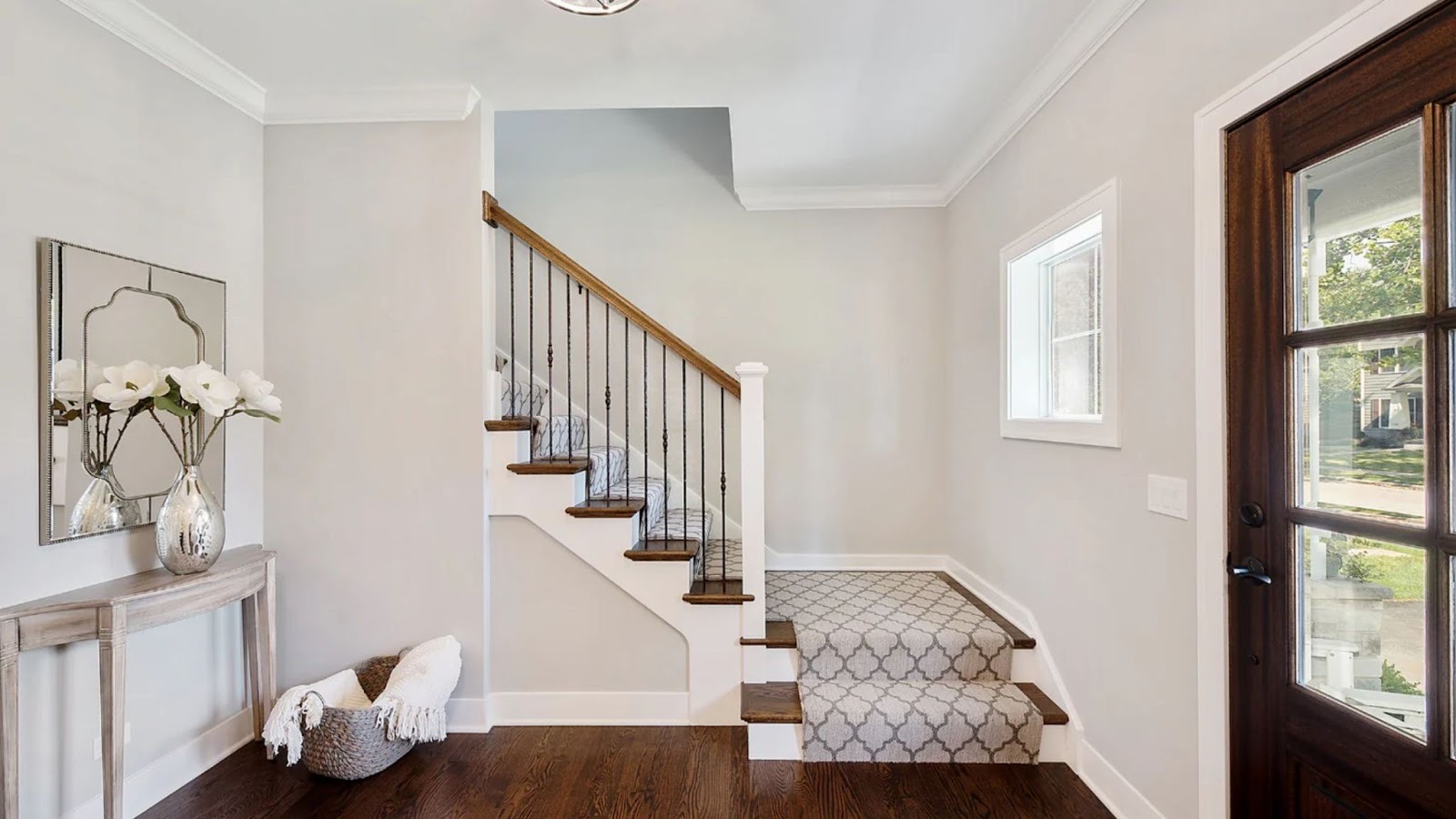
Choosing the perfect wood for herringbone flooring isn’t just about looks; it’s about strength and staying power. With so many options out there, it’s easy to feel overwhelmed. But don’t worry, we’re breaking it all down for you.
In this guide, you’ll learn how to pick a wood species that not only fits your style but also stands up to everyday life. Whether you’re remodeling your home or installing new floors, getting this choice right makes all the difference.
Understand the Basics: What Makes Wood Durable?
When choosing the right wood species for durable herringbone flooring, it’s important to understand what makes some woods last longer and handle daily wear better than others.
Durability isn’t just about hardness; it’s a mix of several key factors that affect how well your floor will hold up over time.
Hardness and Density Matter
One of the biggest reasons some wood types last longer is their hardness. Hardness measures how resistant the wood is to dents and scratches. Hardwoods like oak or maple are much tougher than softwoods such as pine or fir. Dense woods also tend to be stronger because their fibers are packed tightly, making it harder for damage to happen.
Resistance to Moisture and Changes
Durable wood can handle changes in moisture better. Wood naturally expands and contracts when the humidity changes. If a wood species is too soft or porous, it can warp or crack easily.
For herringbone flooring, which has many small pieces fitting tightly together, choosing wood that resists moisture helps keep the pattern looking great for years.
Wear and Tear Resistance
Some woods naturally stand up better to everyday wear, like foot traffic, pets, or furniture movement. This is why hardwood floors in busy homes often come from species that resist scratches and dents. The right wood species for durable herringbone flooring will also have good wear resistance so it won’t show signs of use quickly.
Natural Oils and Protection
Certain wood species have natural oils that protect them from damage and moisture. This makes them more durable without needing as much extra care. For example, walnut and teak have oils that help keep the wood strong and beautiful.
Best Wood Species for Herringbone Patterns
Choosing the best wood species for herringbone patterns is key to getting a floor that’s both beautiful and durable. Not all woods are created equal, so knowing the strengths and look of each type helps you pick the perfect fit for your home.
Oak: The Classic Choice
Oak is one of the most popular woods for herringbone flooring because it’s tough and timeless. It has a medium hardness, which means it resists dents and scratches well. Oak’s grain pattern adds natural texture and warmth, making it a great choice for almost any room style.
Hickory: Built to Last
If durability is your top priority, hickory is a fantastic option. It’s one of the hardest domestic woods, so it stands up well to heavy foot traffic and active households. Hickory also has a unique, varied grain that adds character and charm to your floor.
Maple: Smooth and Strong
Maple offers a smooth, clean look with a tight grain pattern. It’s a hardwood that’s quite durable, resisting dents and wear. Maple’s lighter color makes it perfect if you want a bright, modern feel for your herringbone floor.
Walnut: Elegant but Needs Care
Walnut is known for its rich, dark color and elegant appearance. While it’s slightly softer than oak or hickory, it still offers good durability. However, walnut may require more maintenance to keep it looking its best over time.
Climate & Lifestyle Considerations
When choosing the right wood species for durable herringbone flooring, thinking about your climate and lifestyle is just as important as picking the wood itself. These factors can affect how well your floor holds up and looks over time.
How Climate Affects Wood Flooring
Wood reacts to changes in temperature and humidity. In humid or rainy climates, wood can absorb moisture, causing it to expand and sometimes warp or cup. On the other hand, dry climates can make wood shrink and crack. Choosing a wood species that handles these changes well helps your herringbone floor stay flat and beautiful.
Matching Wood to Your Lifestyle
Your daily routine plays a big role too. If you have kids or pets, you’ll want a wood species that can take heavy foot traffic and resist scratches. Hardwoods like hickory and oak are perfect because they’re tough and can handle bumps and spills.
If your home gets a lot of sunlight, consider how wood color might fade over time. Some woods like walnut may darken or change color when exposed to strong sunlight, so think about where your floor will be installed.
Balancing Care and Durability
Some wood species need more care to stay in top shape. If you want low-maintenance flooring, pick woods that naturally resist moisture and dents. For example, oak requires less upkeep than softer woods.
Style Meets Strength: Match Look with Longevity
When choosing the right wood species for durable herringbone flooring, it’s important to balance style with strength. You want your floor to look amazing but also last for many years without needing constant repairs.
Finding the Right Wood Color and Grain
The look of your floor depends a lot on the wood’s color and grain pattern. Some woods, like walnut, offer rich, dark tones that create a luxurious feel. Others, like maple or oak, come in lighter shades that brighten up any room. The grain; the natural lines and patterns in the wood also changes the style. For example, oak has a strong, visible grain, while maple has a smooth, subtle look. Choose the wood that matches the vibe you want for your space.
Finishes That Boost Durability
Applying the right finish to your wood can make a big difference in how long it lasts. Finishes protect the wood from scratches, moisture, and dirt. Some finishes also enhance the wood’s color and grain, making your herringbone pattern pop. A tough finish paired with a durable wood species gives you the best of both worlds: beauty and strength.
Balancing Budget, Look, and Lifespan
While some woods are more expensive, they might last longer and need less maintenance. Think about your budget but also about how long you want your floor to last. Sometimes investing a little more upfront in a strong, stylish wood saves money in the long run by avoiding repairs or replacements.
Conclusion
Picking the right wood for your herringbone floor doesn’t have to be tough. Think about how strong it is, how it looks, and how it fits your life. With the right choice, your floor will stay beautiful and strong for years.

Samar
Punsuniverse — a realm crafted by me, Samar! You will find everything here that is related to puns, weather its food, animals, names or something elsse.