How to Prevent Dry Socket After Molar Extraction: Essential Tips and Tricks
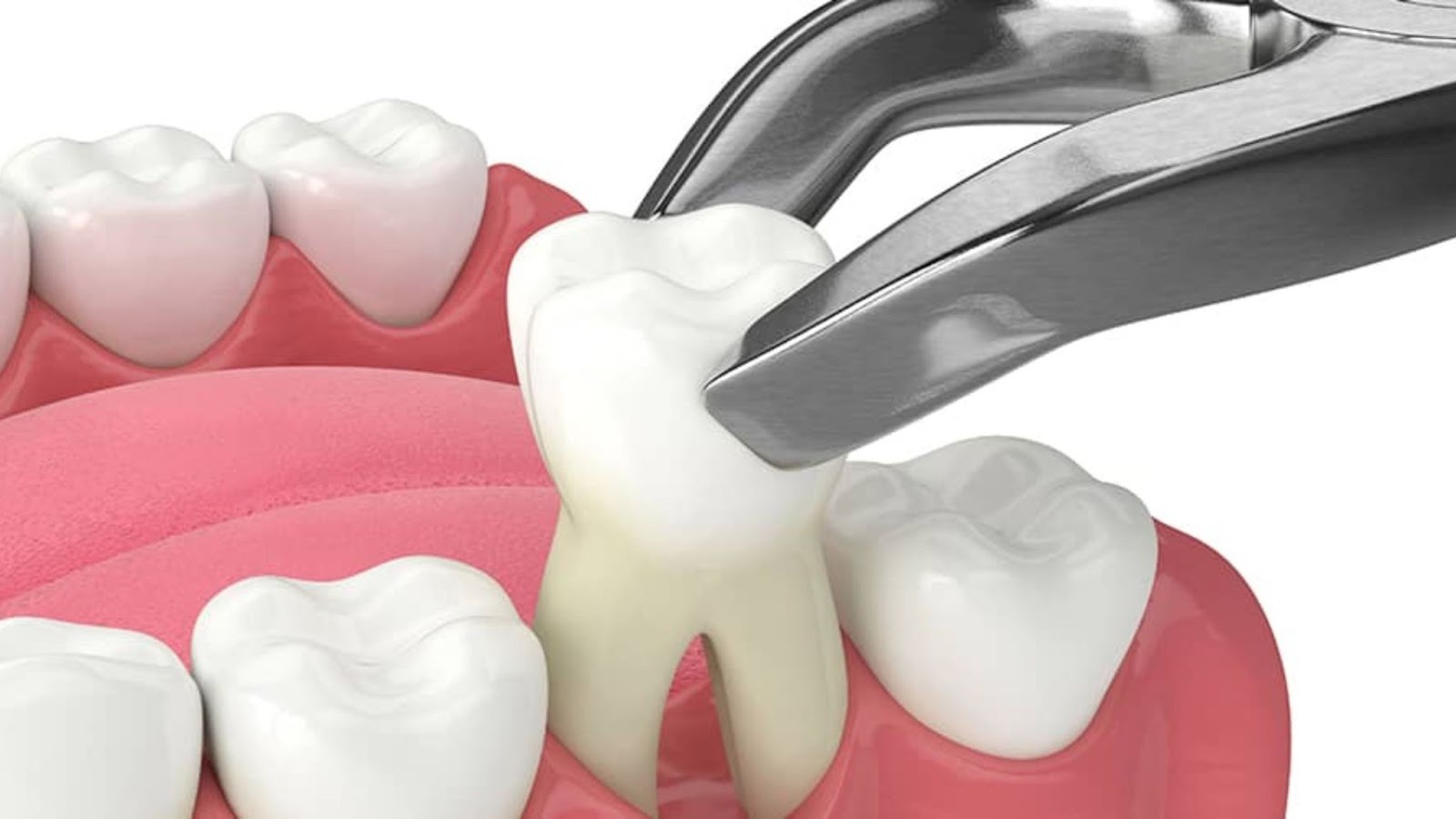
Getting a molar pulled out isn’t fun, but taking care of your mouth afterward is super important. One thing you definitely want to avoid is something called dry socket. This happens when the blood clot in your empty tooth spot gets messed up or goes away too soon. Ouch! It can be really painful and slow down your healing.
But don’t worry; you can help stop it before it starts. With just a few smart moves (and knowing what not to do), you can keep your mouth feeling good and healing strong. Let’s break it all down with tips that are super easy to follow, even if you’ve never had a tooth pulled before.
What Is Dry Socket and Why It Happens
If you’ve just had a molar pulled, you might have heard about something called dry socket. It’s a common problem that can happen after a tooth extraction, and it’s something you definitely want to avoid.
When considering molar extraction cost, it’s important to also understand dry socket and why it happens. Let’s break it down in simple terms.
What Is Dry Socket?
Dry socket happens when the blood clot that normally forms in the hole where your tooth was taken out either gets lost or doesn’t form properly. This clot is really important because it protects the bone and nerves underneath. Without it, those sensitive areas are left exposed, which can cause a lot of pain and slow down healing.
Why Does Dry Socket Happen?
There are a few reasons why dry socket might occur:
- The blood clot gets dislodged: If you rinse your mouth too hard, use a straw, or smoke, the clot can get knocked out of place.
- Poor oral hygiene: Not keeping the extraction site clean can stop the clot from forming or staying in place.
- Certain health habits: Smoking is a big risk because it reduces blood flow and can interfere with healing.
- Infection or trauma: If the extraction was difficult or if you develop an infection, dry socket is more likely to happen.
Who Is More Likely to Get Dry Socket?
Some people are at higher risk for dry socket, including:
- Smokers
- People who don’t follow aftercare instructions
- Those with a history of dry socket
- People who had a difficult or long extraction
Understanding what dry socket is and why it happens can help you take better care of your mouth after a molar extraction. Keeping the blood clot safe is key to a smooth, pain-free recovery.
Best Practices Right After Your Tooth Extraction
Taking good care of your mouth immediately after a tooth extraction is the best way to prevent dry socket and other problems. The first 24 hours are especially important because your body is starting to heal, and the blood clot in the socket needs to stay in place. Here’s what you should do right after your tooth extraction to protect that clot and speed up healing.
Keep the Gauze in Place
After your dentist pulls your molar, they will place a piece of gauze over the extraction site. It’s important to keep this gauze in place and gently bite down on it for at least 30 to 45 minutes. This helps stop bleeding and encourages a blood clot to form. If the bleeding continues, replace the gauze with a fresh one and keep biting down gently.
Avoid Rinsing or Spitting Forcefully
For the first 24 hours, don’t rinse your mouth vigorously or spit hard. Doing so can wash away the blood clot and increase the risk of dry socket. After the first day, you can start rinsing gently with warm salt water, but only if your dentist says it’s okay.
Rest and Take It Easy
Try to rest as much as possible after your extraction. Avoid any heavy exercise or bending over for at least 24 hours because this can increase blood pressure and cause the clot to dislodge. Keeping your head elevated with pillows while lying down can also help reduce swelling and bleeding.
Avoid Hot Foods and Drinks
For the first day or two, stick to cool or room-temperature foods. Hot drinks and spicy foods can irritate the wound and slow healing. Also, avoid drinking through a straw, as the suction can pull the blood clot out.
Habits That Help Prevent Dry Socket
Preventing dry socket after a molar extraction isn’t just about what you do right after the procedure; it’s also about the habits you keep in the days that follow. Small changes can make a big difference in how well your mouth heals and how comfortable you feel. Here are some simple habits to help you avoid dry socket and recover smoothly.
Don’t Smoke or Use Tobacco
Smoking is one of the biggest risks for dry socket. The chemicals in cigarettes and vaping devices can stop your mouth from healing properly. Plus, the sucking action when you inhale can dislodge the blood clot from the extraction site. It’s best to avoid smoking and any tobacco products for at least a week after your extraction.
Rinse Gently With Warm Salt Water
After the first 24 hours, gently rinsing your mouth with warm salt water can help keep the area clean and reduce the chance of infection. Mix about half a teaspoon of salt in a glass of warm water and rinse carefully. Don’t swish too hard; just let the water flow around the extraction site to avoid disturbing the clot.
Keep Your Hands and Tongue Away
It might be tempting to touch the extraction site with your fingers or tongue, but try not to. Picking at the area can irritate the wound and possibly remove the blood clot. Let your mouth heal naturally without poking or prodding.
Brush and Floss Carefully
Keep brushing your teeth to maintain good oral hygiene, but be gentle around the extraction site. Use a soft-bristled toothbrush and avoid the empty socket for a few days. Don’t floss near the area until your dentist says it’s safe.
When to Call the Dentist: Warning Signs of Dry Socket
Knowing when to call your dentist after a molar extraction can save you from unnecessary pain and complications. Dry socket is painful, but if you catch it early, your dentist can help you feel better fast. Here are the warning signs you should watch for and when it’s time to reach out for help.
Persistent or Worsening Pain
It’s normal to feel some discomfort after a tooth extraction, but the pain should gradually get better each day. If your pain suddenly becomes worse or doesn’t improve after two or three days, it could be a sign of dry socket. This pain usually feels sharp, deep, and sometimes even throbbing.
Bad Taste or Smell in Your Mouth
If you notice a bad taste or foul smell coming from the extraction site, that’s a red flag. Dry socket exposes the bone and tissues, which can lead to infection or buildup of bacteria, causing an unpleasant odor or taste.
Visible Bone in the Socket
If you can see the white bone inside the empty tooth socket where your molar was removed, this usually means the blood clot is missing or dislodged. This exposure often causes pain and delays healing.
Other Signs to Watch For
- Swelling or redness that gets worse
- Fever or feeling unwell
- Pain that doesn’t improve with over-the-counter pain meds
What Will the Dentist Do?
If you think you have dry socket, call your dentist right away. They may clean the area and place a special medicated dressing to protect the bone and reduce pain. Sometimes, they might prescribe pain medicine or antibiotics if there’s an infection.
Don’t wait to get help; catching dry socket early means less pain and a faster recovery. Always follow your dentist’s instructions and keep them informed about how you’re feeling after your extraction.
Conclusion
Avoiding dry socket is easy if you take it slow, follow the rules, and treat your mouth kindly. Just remember: rest, no straws, and gentle care go a long way. These small steps make a big difference in healing. Stay smart, stay soft, and your mouth will thank you later.

Samar
Punsuniverse — a realm crafted by me, Samar! You will find everything here that is related to puns, weather its food, animals, names or something elsse.