How to Write a Book: A Step-by-Step Blueprint for New Authors
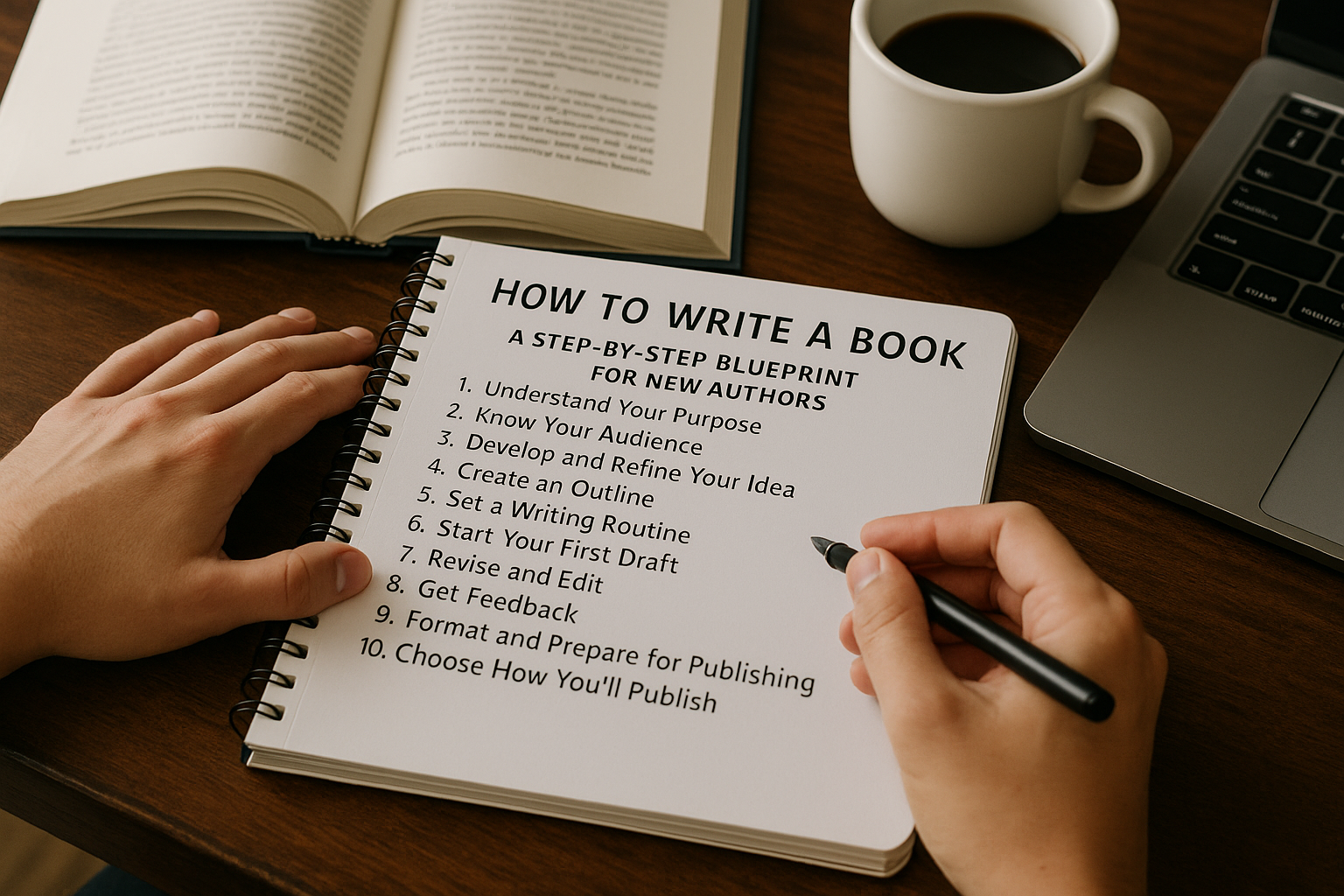
Starting a book is both exciting and intimidating. For many first-time writers, the idea of turning thoughts into chapters and eventually a full manuscript feels overwhelming. But writing a book isn’t just for seasoned authors it’s something anyone can achieve with the right structure and mindset.
In this guide, we’ll walk you through the essential steps to writing a book, designed to help beginners build confidence and stay on track throughout the journey.
1. Understand Why You’re Writing
Before you write a single word, ask yourself: why this book? What’s the message you want to share? Are you trying to entertain, educate, or inspire, or maybe all three?
Clarity on your purpose helps guide your writing style and tone. It also gives you something to come back to when you hit creative roadblocks, which is bound to happen at some point.
2. Know Your Audience
Who is your target audience? Knowledge of whom you are writing for will allow you to tailor your content in a way that resonates with them. It also affects your voice, language, and examples.
3. Develop and Refine Your Idea
Every book starts with an idea, but it needs refining. Write a short summary of your book in one paragraph—this helps you focus and makes sure your idea is strong enough to carry an entire manuscript.
From there, identify your book’s key themes, unique angle, and what makes it worth reading.
4. Create an Outline
An outline is the main structure of any good book. Divide your material into chapters or main sections. Suppose you want to view it as a map; it keeps you organized and makes writing much easier. For fiction, include the plot points, character growth, and story arcs. For nonfiction, sort your knowledge in such a manner that the categories logically build on each other.
5. Set a Writing Routine
Writing a book takes time, and consistency matters more than speed. Set a realistic routine based on your lifestyle—maybe it’s 500 words a day or writing every weekend.
Don’t worry about writing perfectly; the goal is to keep moving forward. You can always revise later.
6. Start Your First Draft
With your outline in hand, start writing your draft. This is frequently the most difficult—yet liberating—part. Quiet your inner critic and let the words flow.
If you’re unsure how to begin or need extra guidance, visit the website for helpful insights on getting started with confidence.
7. Revise and Edit
Once the first draft is complete, take a break. Coming back with fresh eyes helps you spot areas for improvement. Focus first on structure, clarity, and flow before moving on to grammar and spelling.
You may go through several rounds of edits—don’t rush it. You’re shaping your raw material into something impactful.
8. Get Feedback
Before finalizing your manuscript, share it with a few trusted readers or join a critique group. Honest, constructive feedback helps you improve your book and see it from different perspectives.
Be open to suggestions, even when it’s tough. It’s all part of the process.
9. Format and Prepare for Publishing
Once your content is polished, format your manuscript. Make sure it looks professional with proper spacing, headers, and fonts. If you’re self-publishing, formatting for both print and digital platforms is essential.
You’ll also need a strong title, book cover, and a short, compelling description.
10. Choose How You’ll Publish
You can go the traditional route by submitting to agents and publishers, or you can self-publish and retain full control. Self-publishing is faster and more accessible for new authors, especially with platforms like Amazon Kindle Direct Publishing (KDP).
Choose the path that aligns best with your goals, budget, and timeline.
Frequently Asked Questions
1. What are the primary steps involved in book writing?
They include identifying your purpose, refining your idea, outlining, drafting, revising, getting feedback, formatting, publishing, and promoting your book.
2. What is the duration required to write a book?
It depends on your schedule and goals. A book can be written in a few months by some people and a year or longer by others. What matters most is writing consistently.
3. Is self-publishing a good option for beginners?
Yes. Self-publishing allows new authors to control the process, set their timeline, and earn higher royalties.But it calls for greater accountability in terms of marketing, design, and editing.
Final Thoughts
Writing a book isn’t easy, but it’s absolutely doable. By following these clear steps to writing a book, you can move from idea to finished manuscript with purpose and confidence. Stay committed, trust your process, and know that your voice matters—because the story only you can tell might be exactly what someone else needs to read.

Samar
Punsuniverse — a realm crafted by me, Samar! You will find everything here that is related to puns, weather its food, animals, names or something elsse.