Natural Strategies for Reducing Anxiety Symptoms
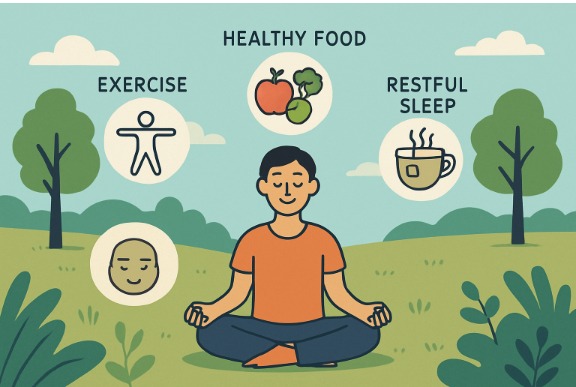
Anxiety is a natural stress response, but when it becomes overwhelming, it can interfere with daily life and overall well-being. Many people look for holistic approaches to ease these feelings, focusing on methods that support both the body and mind. Simple practices such as deep breathing, mindfulness meditation, and regular physical activity can help regulate stress responses and bring a greater sense of calm. Nutrition also plays a role—balanced meals and reduced caffeine intake may lessen restlessness and improve sleep quality.
While natural methods can be effective, everyone’s experience with anxiety is unique. For some, combining these strategies with professional guidance leads to better outcomes. Speaking with an anxiety psychiatrist can provide clarity on when lifestyle adjustments are enough or when additional support may be beneficial. A blended self-care and medical insight approach often offers the most sustainable path forward. This allows individuals to build resilience while addressing underlying factors contributing to their symptoms.
Engage in Regular Physical Activity
Exercise does more than burn anxious energy; it transforms how your body and mind handle stress. Activities like walking, jogging, dancing, yoga, or swimming release endorphins, improving mood and reducing worry. Research from the Anxiety and Depression Association of America shows regular physical activity lessens anxiety and boosts outlook. Even moderate exercise, like a 30-minute walk, offers benefits, supporting better sleep, stable energy, and confidence, all buffering anxiety. Exercise also channels frustration into a healthy outlet.
Practice Mindfulness and Meditation
Mindfulness techniques are effective for reducing anxiety by training your mind to stay present and decreasing negative thoughts. Practices like deep breathing, body scans, and guided imagery activate relaxation responses and counteract stress hormones that trigger anxiety. Research shows mindfulness lowers anxiety and stress indicators. Even just a few minutes each day can help lower blood pressure, slow the heart rate, and promote a sense of calm. Beginners can use guided meditations and apps to develop these habits. Over time, mindfulness enhances emotional regulation, helping to manage stress and fostering a sense of peace.
Adopt a Balanced Diet
The connection between nutrition and mental health is profound but often overlooked in anxiety management. What you eat affects your mood and cognition. Eating a balanced diet with whole grains, lean proteins, fruits, vegetables, and healthy fats helps stabilize blood sugar, prevent mood swings, and support brain function. Foods high in omega-3s—like salmon, walnuts, flaxseeds, and chia seeds—are linked to lower anxiety and depression. Antioxidants in berries, dark chocolate, and leafy greens combat oxidative stress that can impact mental health. Processed foods, sugar, and white flour may increase irritability and worsen anxiety, so reducing intake is advised. Supplements can help, but consult your healthcare provider to avoid interactions. Smart dietary choices boost energy and emotional resilience.
Limit Caffeine and Alcohol Intake
Both caffeine and alcohol impact anxiety, so moderating consumption helps emotional health. Caffeine stimulates the nervous system through coffee, tea, energy drinks, and sodas. For many—especially those prone to anxiety—even small amounts can cause restlessness, rapid heartbeat, and panic. It also disrupts sleep, creating a cycle of fatigue, irritability, and anxiety. Alcohol, initially relaxing, disrupts deep sleep and can increase anxiety, irritability, or depression the next day. Cutting back or eliminating them improves sleep, mood, and reduces anxiety—substitutes like water, herbal teas, or decaffeinated coffee support mental balance.
Establish Consistent Sleep Patterns
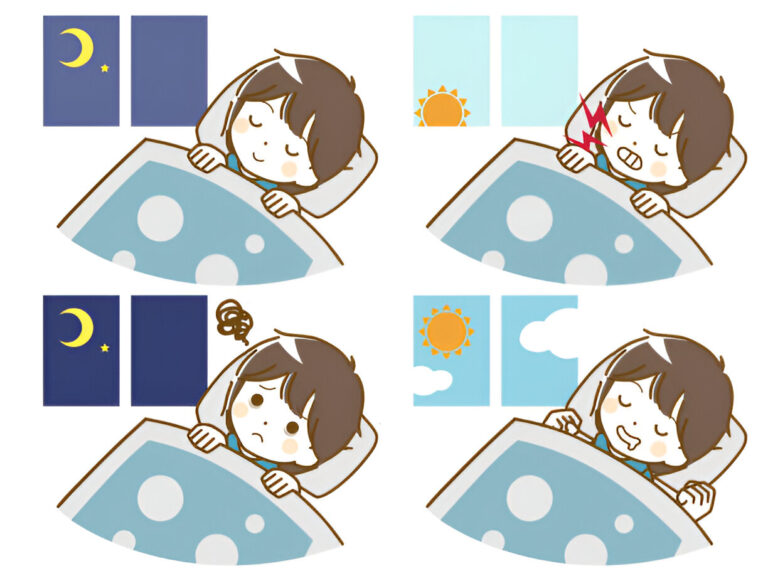
Quality sleep acts as a powerful shield against anxiety, enabling both mind and body to recover and build resilience. Chronic sleep deprivation contributes to irritability, trouble concentrating, and heightened sensitivity to stress, making anxiety symptoms worse. Establishing a regular sleep schedule—going to bed and waking up simultaneously each day—helps anchor your body’s internal clock for more restorative rest. Reducing screen time and powering down electronic devices an hour before bed limits exposure to stimulating blue light, which can otherwise interfere with falling and staying asleep. Creating a soothing pre-bed routine with calming activities such as reading, gentle stretching, or relaxing music further prepares your body for sleep.
Seek Social Support
Human connection buffers against anxiety by sharing feelings with trusted friends or family, providing new perspectives, and reducing isolation. Open communication, even about uncomfortable emotions, lightens anxiety. Participating in group activities and community classes offers encouragement, while social interactions distract from anxious thoughts and foster belonging. Strong social networks improve mental health and emotional stability. Regular meetups, calls, or online communities are vital for managing anxiety.
Consider Professional Help
Sometimes, lifestyle changes aren’t enough to fully address anxiety disorders. Professional mental health support is crucial. Therapies like cognitive-behavioral therapy (CBT) help individuals understand and reframe distressing thinking patterns, leading to healthier behaviors. An experienced mental health professional tailors treatment, provides practical tools for managing anxiety, and connects you with resources. Combining support with self-care can offer lasting relief, especially for severe anxiety. Therapy also provides a safe space to process emotions, fostering growth and resilience.
Conclusion
Integrating these natural strategies into your daily routine can reduce anxiety symptoms and enhance your overall well-being. Progress often requires consistent effort and patience, so start with approaches that resonate most, and gradually add new techniques as you grow more comfortable. For anyone planning significant changes, especially those with underlying health concerns or who are currently on prescription medications, always consult with a healthcare provider to ensure safety and effectiveness.

Samar
Punsuniverse — a realm crafted by me, Samar! You will find everything here that is related to puns, weather its food, animals, names or something elsse.