Supporting Music Education: Effective Ways to Fund Instruments and Technology in Schools
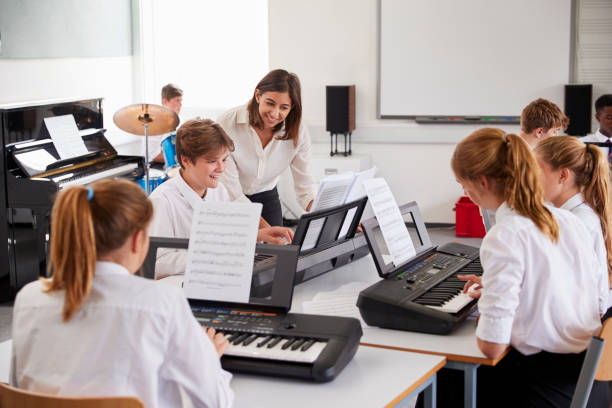
Table of Contents
- Introduction
- Government Grants and Funding Programs
- Nonprofit Organizations and Foundations
- Community Fundraising Initiatives
- Corporate Sponsorships and Partnerships
- Alumni Contributions
- Grant Writing and Proposal Development
- Leveraging Technology and Online Platforms
- Conclusion
Introduction
Music education unlocks creativity, confidence, and cognitive growth, providing students with a valuable foundation for academic and personal development. The skills cultivated through music—such as discipline, teamwork, and self-expression—carry over into other academic subjects and life experiences, helping young people thrive in a rapidly changing world. However, securing adequate funding for instruments and technology remains a significant challenge for many schools seeking to offer robust music programs. Many educators and parents are searching for practical ways to help fund instruments and music technology for schools, ensuring that financial barriers do not hinder tomorrow’s musicians and that no student is denied access to transformative opportunities simply because of the school they attend.
Without sustained financial support, music programs often suffer from outdated equipment, limited resources, and reduced student participation. Students may have to share instruments, learn on outdated technology, or be excluded from music altogether if programs shrink or disappear due to a lack of funds. By understanding the diverse strategies available to support music education, communities can play an active role in nurturing the next generation of artists and innovators. Ensuring the ongoing vitality of music programs is a shared responsibility that enriches the educational landscape for everyone.
Government Grants and Funding Programs
One of the primary avenues for music program funding is through government grants and dedicated funding programs. Federal and state agencies, such as the U.S. Department of Education, regularly allocate funds for arts education, including music. These subsidies support both the acquisition of instruments and the integration of technology in classrooms. Notably, widespread advocacy has resulted in expanded grant opportunities for public and charter schools, prioritizing equitable access to arts education for students in urban, rural, and underserved communities.
Nonprofit Organizations and Foundations
Nonprofits and foundations are essential in bridging funding gaps for school music programs. These organizations typically work through direct donations of instruments, technology, or grant funds, focusing attention on underserved or underfunded schools that might otherwise have to forgo music programs altogether. In addition to distributing resources, these foundations often offer resources like professional development for teachers or advocacy toolkits to help local communities make the case for sustained music education funding. Supporters can often participate in advocacy campaigns and volunteer opportunities and benefit from nonprofit partnerships that drive further community involvement, inspiring families, local leaders, and artists to stand behind music education.
Community Fundraising Initiatives
Engaging the community is a powerful way to ensure local music programs flourish, especially when public or private funding falls short. Schools and parent-teacher organizations can organize diverse fundraising events—such as benefit concerts, silent auctions, and performing arts festivals—to rally local support and generate critical funds. Involving local businesses or community leaders as sponsors can increase both attendance and financial impact. With the growth of digital fundraising tools, schools can pair these in-person efforts with online crowdfunding campaigns, expanding their reach and fostering a greater sense of community ownership over the success of music education. Hosting concerts featuring student performers or alumni musicians not only raises money but also increases the program’s visibility, demonstrates its value to the broader public, and gives students a chance to showcase their talents to the community.
Corporate Sponsorships and Partnerships
Corporate sponsorships and business partnerships offer a mutually beneficial way to fund school music programs. According to Investopedia, corporate sponsorship involves a business providing financial or in-kind support to an organization or event in exchange for brand exposure and community goodwill. Many companies prioritize community engagement and improvement as part of their corporate social responsibility initiatives, recognizing that supporting the arts contributes to a vibrant, educated workforce. By collaborating with local or national businesses, schools can receive financial donations, in-kind support such as musical instruments, sheet music, or recording equipment, and access to new resources that might otherwise be beyond their budget. Successful partnerships can also lead to internship opportunities, mentorship programs, guest artist workshops, and exposure for students interested in music-related careers. These relationships can become long-term, evolving to include school-branded instrument drives, co-hosted events, or industry tours. Building a compelling case for investment by highlighting the visibility and impact of supporting music education can help attract ongoing corporate support and foster community goodwill toward sponsoring businesses.
Alumni Contributions
Alumni networks are a valuable, often untapped resource for funding music programs. Many former students have personal connections to their school’s arts programs and understand the lasting influence music education has had on their lives, careers, or sense of identity. Schools can actively engage alumni through newsletters, dedicated social media groups, or special recognition at events, encouraging them to contribute financially or donate instruments and equipment. Sharing success stories—such as alumni who have become professional musicians, music teachers, or passionate arts advocates—illustrates the long-term impact of a strong music program. By demonstrating how alumni contributions directly benefit students, schools can inspire ongoing support and foster a culture of giving back that strengthens the entire school community.
Grant Writing and Proposal Development
Strong grant proposals are crucial to unlocking funding from governmental, corporate, and philanthropic sources. Investing in grant-writing training for staff or partnering with experienced professionals can significantly improve proposal success rates, bringing much-needed funds to support music programs. Practical proposals must clearly articulate the program’s needs, anticipated outcomes, and long-term community impact, and describe how funding will be managed and evaluated. Schools can often find free resources or workshops through local education cooperatives, universities, or national organizations, improving their ability to compete for limited funding in the arts sector.
Leveraging Technology and Online Platforms
Modern fundraising increasingly relies on technology to connect with broader audiences and engage donors. School music programs can utilize social media campaigns, school websites, newsletters, and popular fundraising platforms to share compelling stories and program needs, reaching both local supporters and interested individuals worldwide. Regular updates, performance videos, testimonials, and interactive content can turn one-time donors into ongoing supporters, building a robust base of advocates. Transparency about how funds are used builds trust, encourages repeat contributions, and demonstrates accountability to those who invest in the program. Digital tools also allow schools to measure campaign success, refine their strategies, and reach diverse demographics with targeted appeals, ensuring ongoing support.
Conclusion
Funding music education requires a multifaceted and sustained approach that blends government support, nonprofit grants, local fundraising, corporate partnerships, alumni engagement, and effective communication. By adopting multiple strategies, schools can create resilient music programs that ensure all students have the opportunity to explore and excel in the arts regardless of economic circumstance. Through dedicated action, advocacy, and community involvement, every student can be empowered to realize their full creative potential—and communities can ensure that music remains a vital, accessible component of education for generations to come.

Samar
Punsuniverse — a realm crafted by me, Samar! You will find everything here that is related to puns, weather its food, animals, names or something elsse.