The Role of a Stormwater Outlet in Water Management
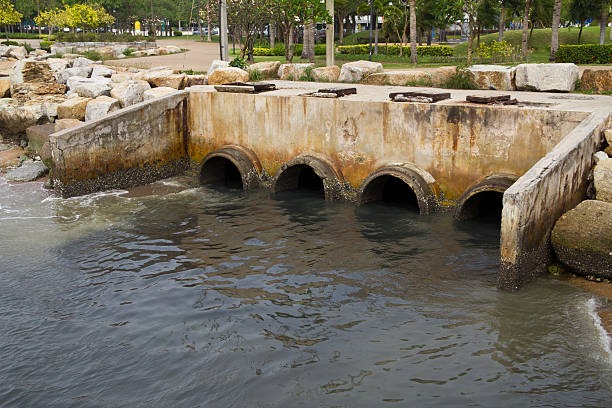
Urban development creates impervious surfaces that prevent natural water absorption into the ground. Concrete, asphalt, and buildings redirect rainfall into concentrated flows that can overwhelm natural drainage systems. Without proper management, these flows cause flooding, erosion, and water quality problems that affect entire communities.
Effective water management depends on strategically placed components that work together as integrated systems. A stormwater outlet plays a crucial role in these comprehensive drainage networks by providing controlled discharge points for collected runoff. This article examines how these essential components contribute to successful urban water management strategies.
Flow Control and Velocity Management
Stormwater outlets regulate the speed at which water exits drainage systems into receiving waters or designated discharge areas. Uncontrolled discharge creates erosion problems that damage downstream infrastructure and natural habitats. Properly designed outlets dissipate energy and reduce flow velocities to manageable levels that prevent scouring and channelization. The outlet design influences hydraulic performance throughout the entire drainage network upstream.
Pollution Prevention and Water Quality Protection
Stormwater carries pollutants collected from urban surfaces including oil, debris, sediments, and chemicals that harm aquatic ecosystems. Outlets often incorporate filtration or settling features that remove contaminants before discharge into natural water bodies. These treatment functions protect rivers, lakes, and groundwater from degradation caused by urban runoff. Some outlet designs include trash racks, sediment traps, or oil-water separators that capture pollutants at the point of discharge. Regular maintenance of these components ensures continued effectiveness in protecting water quality.
Infrastructure Integration and System Coordination
These outlets connect underground pipe networks with surface drainage features and natural waterways. This integration requires careful coordination between different system components to ensure smooth water flow transitions. Outlets must accommodate varying flow conditions from light rainfall to major storm events without creating bottlenecks or system failures. The physical construction of outlets involves matching pipe materials, sizes, and elevations to create seamless connections. Proper bedding, joint sealing, and structural support prevent settling or separation that could compromise system performance.
Design Considerations for Different Applications
Residential drainage systems require outlets scaled appropriately for smaller catchment areas and typical suburban runoff volumes. These installations often feature simpler designs focused on basic flow control and erosion prevention. Key design factors for different applications include:
- Flow capacity requirements based on drainage area size
- Water quality treatment needs for specific pollutant types
- Structural durability for expected service life and loading conditions
- Maintenance accessibility for cleaning and inspection activities
- Environmental compliance with local discharge regulations
Industrial facilities may require specialized outlet features for handling process water or contaminated stormwater that needs treatment before discharge.
Installation and Maintenance Requirements
Proper outlet installation begins with accurate site preparation including excavation, bedding materials, and structural support systems. Connection details between pipes and outlet structures require careful attention to prevent leaks or joint failures. Backfill procedures must provide adequate support while allowing for differential settling between components. Regular inspection and maintenance ensure continued outlet performance over the design service life. Cleaning activities remove accumulated debris and sediments that can reduce capacity or cause blockages.
Environmental Impact and Regulatory Compliance
Stormwater discharge regulations require outlets to meet specific performance standards for flow rates and water quality parameters. Permit conditions may specify maximum discharge velocities, pollutant removal rates, or monitoring requirements for outlet performance. Design documentation must demonstrate compliance with applicable environmental protection standards. Outlet placement affects downstream erosion patterns and aquatic habitat conditions in receiving waters. Mitigation measures may include energy dissipation features or habitat enhancement components integrated into outlet design.
Stormwater outlets play a vital role in urban drainage systems by managing flow velocities and directing runoff effectively. They help protect water quality and support proper integration with larger stormwater infrastructure. By meeting regulatory standards, these outlets contribute to the protection of both built environments and surrounding natural ecosystems.

Samar
Punsuniverse — a realm crafted by me, Samar! You will find everything here that is related to puns, weather its food, animals, names or something elsse.