What To Expect And How To Survive Coke Withdrawal Symptoms?

Coke is a highly addictive and potent stimulant drug, and as with some users consuming it for a brief euphoric high, frequent use can easily result in addiction. Once addicted, cessation is a terrifying ordeal—especially the withdrawal symptoms that come with it.
If you or someone close to you is attempting to stop using cocaine, knowing what the symptoms of cocaine withdrawal are will better prepare you for what to anticipate. This article details the symptoms, their duration, and how to manage them safely.
What Is Cocaine Withdrawal?
Withdrawal occurs when a chronic cocaine user suddenly cuts down or quits the drug. Your brain and body, accustomed to the stimulating effect of coke, are in a state of “shock,” from which they futilely attempt to escape. This induces physical, mental, and emotional symptoms—most of them ugly.
The bright spot: Cocaine withdrawal is usually not life-threatening but is emotionally difficult. The experience is often called a “crash” since the sudden plummet from the high of cocaine might leave you exhausted, nervous, and depressed.
Common Coke Withdrawal Symptoms
Coke withdrawal Symptoms are different in individuals based on a variety of factors such as the use history, the quantity used, one’s overall health, and if other drugs have been used.
Here are the most prevalent symptoms that one feels when withdrawing from cocaine:
1. Fatigue and low energy
The first symptom to emerge is excessive exhaustion. Individuals feel physically as well as mentally exhausted and prefer sleeping for longer hours.
2. Depression and mood swings
Most people get depressed, hopeless, or suicidal. Cocaine increases the levels of the “feel-good” transmitter dopamine. When you stop, your brain can’t regulate itself and you have emotional crashes.
3. Cocaine cravings
The most powerful aspect of withdrawal is the overwhelming need to use cocaine again. Stress, memory, or being in the vicinity where you’ve used cocaine previously are most often the stimulants for these.
4. Irritability and anxiety
You get easily irritated, nervous, or restless. Others are paranoid or think something terrible is about to happen.
5. Sleep disturbances
Excessive sleeping, nightmares, or insomnia are all symptoms of withdrawal syndrome. Nighttime restlessness is very prevalent.
6. Loss of appetite
Everyone loses their appetite on coke. When they quit, hunger comes back—sometimes with vengeance.
7. Concentration difficulty
Even the most basic things are not possible. Thinking, being rational, or making decisions is hard.
How Long Do Cocaine Withdrawal Symptoms Last?
Symptoms of Coke withdrawal will typically progress, usually in three phases:
1. Crash phase (1–3 Days)
This is the initial stage after cessation. The symptoms of tiredness, depression, and irritability are in full swing. Individuals can be very sleepy or drowsy.
2. Withdrawal phase (1–10 Weeks)
At this stage, symptoms such as cravings, mood, and insomnia persist. All days are not favorable, but triggers and emotional problems are still considerable.
3. Extinction phase (Weeks to Months)
It is the time for recovery in the long-term. Cravings are not as intense, but they sometimes persist too. Emotional recovery, counseling, and support are most crucial at this stage.
Tips For Coping With Coke Withdrawal
Although withdrawal is no fun, it’s definitely doable to tough it out—and emerge stronger. Here are some suggestions that can be extremely useful:
Seek professional help
Detox centers with medical attention provide supervised care, keeping you safe and comfortable during the worst of withdrawal. Therapists and addictions counselors may also assist you in creating coping mechanisms and addressing underlying emotional issues.
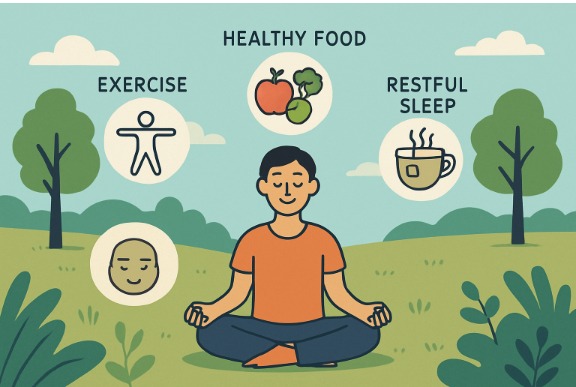
Eat well and stay hydrated
Your body must recover. Regaining energy and mood is possible with hydration and nutrition.
Rest and sleep
Sleep for a bit. Your body is healing, and sleep is important.
Avoid triggers
Avoid people, places, and things that remind you of cocaine. Replace it with a new, healthier habit to fill the time.
Speak to someone
Whether it’s a friend, family member, or support group, sharing your journey makes a huge difference. You’re not alone—and talking helps.
Conclusions
Cocaine withdrawal symptoms can feel exhausting, frustrating, and even scary. But they’re also a sign that your body is beginning to heal. Recovery from coke addiction is possible—and many people have successfully walked this path before you.
The journey might be rough, but with every step you take, it’s one step closer towards health, freedom, and a better life. Whether you do it professionally, know that there is help out there, both in therapy and healing.

Samar
Punsuniverse — a realm crafted by me, Samar! You will find everything here that is related to puns, weather its food, animals, names or something elsse.