What to Know About THCA Flower
Key Takeaways
- THCA is a non-psychoactive cannabinoid found in raw cannabis.
- Heating THCA converts it to THC, resulting in psychoactive effects.
- The legality of THCA flower varies by jurisdiction; always check the current regulations.
- Using THCA flower can lead to a positive THC drug test.
Introduction
THCA flower is steadily gaining recognition among cannabis enthusiasts and health-conscious consumers for its distinctive profile and potential uses. Unlike traditional cannabis products, THCA flower offers a way to experience the benefits of cannabis without immediate psychoactive effects. For those looking to explore or purchase THCA flower, understanding what sets it apart, how it’s used, and its legal considerations is crucial for making informed decisions.
Many are drawn to THCA flower for its versatility—it can be used for both non-intoxicating wellness purposes or, when heated, converted to provide the familiar sensations of THC. Whether consumed raw or activated, THCA flower bridges the gap between raw cannabis’s health-promoting qualities and the psychoactive experience sought by recreational users. With its rising popularity, staying up-to-date with regulations and scientific findings becomes increasingly vital.
Given its unique chemical nature, THCA has become a topic of interest for researchers, legal experts, and consumers alike. Understanding how it differs from THC, especially in terms of legal status and physiological effects, helps users avoid pitfalls and maximize benefits. Regardless of your reason for exploring THCA flower, being well-informed ensures a safer and more enjoyable experience.
As with all cannabis-derived products, legal and health-related factors can change rapidly. Consumers are encouraged to verify that local regulations permit the possession and use of THCA flower and to be attentive to new research coming from reputable sources like Healthline and government health agencies.
What Is THCA?
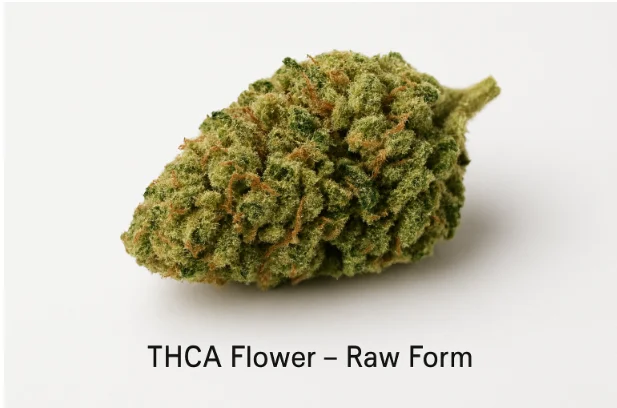
THCA, which stands for tetrahydrocannabinolic acid, is a naturally occurring cannabinoid found in raw, live cannabis plants. Unlike its well-known counterpart THC, THCA does not induce intoxication or a “high” when consumed in its natural state. Only exposure to heat—a process called decarboxylation—transforms THCA into THC, unlocking its psychoactive potential. This process can occur during smoking, vaping, or cooking, making THCA flower a flexible option depending on the desired effects.
THCA vs. THC: Understanding the Difference
Though both THCA and THC originate from the same plant, their interaction with the human body differs greatly. THCA exists in the plant before harvest and during storage. It does not directly activate the CB1 receptors in the brain, which are responsible for cannabis’s familiar mind-altering effects. Instead, only when THCA is decarboxylated does it become capable of binding to these receptors and producing a psychoactive result. This distinction is key when choosing products for either wellness or recreational purposes.
Legal Status of THCA Flower
Navigating the legal status of THCA flower can be challenging, as regulations depend on how lawmakers interpret its chemical structure and potential for conversion to THC. According to the 2018 Farm Bill in the United States, hemp-derived products containing less than 0.3% delta-9 THC by dry weight are federally legal. However, some states have implemented stricter “total THC” regulations, outlawing high-THCA products based on their potential to exceed THC limits once decarboxylated. States such as Idaho and Arkansas explicitly prohibit THCA for this reason, so checking the most current state and local laws is essential before purchasing or using THCA flower.
Methods of Consuming THCA Flower
THCA flower lends itself to various consumption styles depending on the desired outcome:
- Raw Consumption: Eating or juicing raw THCA flower preserves its non-psychoactive form, allowing individuals to potentially access benefits without the intoxicating effects of THC.
- Smoking or Vaping: Applying heat through smoking or vaping initiates decarboxylation, converting THCA to THC and prompting a psychoactive response for recreational or medicinal use.
- Edibles: Decarboxylating flower by baking it at 220–240°F for 30–40 minutes activates THC, making it suitable for infusion into oils, butter, or foods.
Potential Benefits of THCA
Emerging scientific studies indicate that THCA may offer several health-supporting properties, although more human clinical research is needed. Early findings suggest THCA has anti-inflammatory qualities, which may be useful for those with conditions like arthritis. Additionally, there’s promising, though preliminary, evidence pointing to its neuroprotective and anti-nausea effects. These benefits make it a point of interest for future cannabis-based therapies.
- Anti-Inflammatory Properties: May reduce inflammation and related discomfort.
- Neuroprotective Effects: May potentially protect brain health and mitigate the progression of neurological disorders.
- Anti-Nausea: Might help ease nausea and vomiting, particularly in patients undergoing chemotherapy.
As research progresses, further therapeutic uses for THCA are expected to be discovered.
THCA and Drug Testing
THCA itself is not typically targeted in standard drug screenings, but its potential for conversion to THC can create complications. Drug tests commonly detect THC metabolites rather than THCA. Since decarboxylation can occur during consumption—or even slowly over time during storage—users are at risk of testing positive for THC. Raw ingestion of THCA flower may still result in false positives if even minor conversion occurs, so those facing drug screenings should act with caution and consult with knowledgeable professionals beforehand.
Choosing Quality THCA Flower
Ensuring the quality of your THCA flower is crucial for both safety and efficacy:
- Lab Testing: Select products validated by third-party laboratories for cannabinoid content and absence of harmful contaminants.
- Source: Trustworthy, reputable growers employing organic cultivation practices consistently produce higher-quality products.
- Storage: Store THCA flower correctly—cool, dry, and dark conditions limit cannabinoid degradation and help maintain freshness.
Clear labeling, transparency in sourcing, and responsible manufacturing practices also help you make the best, safest choices.
Conclusion
THCA flower represents an exciting development in the world of cannabis, providing new possibilities for both non-intoxicating wellness effects and traditional psychoactive experiences upon decarboxylation. As research uncovers further benefits and risks, and as legal landscapes shift, it is more important than ever to stay updated on regulations and available findings. By knowing the properties, potential, and concerns of THCA flower, consumers can confidently navigate this evolving market and make choices that suit their unique needs and circumstances.

Samar
Punsuniverse — a realm crafted by me, Samar! You will find everything here that is related to puns, weather its food, animals, names or something elsse.