The Real Cost of Lifting Failures (And How to Prevent Them)
Body
A snapped sling. A missed inspection. A rushed lift. Just one slip-up in a high-pressure environment can cost thousands, or worse, put lives at risk. Between 2003 and 2015, in Australia, lifting failures caused 47 worker deaths, with around 240 serious injury claims made each year for similar accidents.
These accidents usually happened due to missed checks, ageing gear, or assumptions made in the moment. At RUD Australia, we’ve worked with crews who want safety that actually works on the ground.
In this post, we’ll cover what usually goes wrong, what’s often missed, and how to set up a safer lifting process that holds up under pressure. Ready? Let’s get started.
What Really Causes Lifting Failures?

Lifting gear doesn’t fail out of the blue. Small issues often stack up quietly until one moment pushes the system too far.
Common Problems That Lead to Failure
These are the usual suspects on worksites.
- Overloading equipment: Exceeding safe load limits places massive stress on lifting components and weakens them over time. Even a small miscalculation in load weight can cause buckling or snapping.
- Improper rigging techniques: Uneven loads, incorrect sling angles, or poor attachment points can shift weight dangerously during a lift. This leads to tipping, swinging, or sudden drops.
- Unplanned or rushed operations: Skipping safety checks or working without a clear lift plan increases the risk of missing warning signs. The pressure to “just get it done” often comes at the cost of safe practice.
Risks That Get Overlooked
These factors don’t always show up on a checklist but can be just as dangerous.
- Internal wear and fatigue: Cracks, rust, or weakened joints aren’t always visible but still compromise strength.
- Missing repair and maintenance history: Without accurate records, it’s hard to know what condition the gear is actually in.
- Mismatched gear for the environment: Equipment that performed fine in one setting may struggle under different weather, terrain, or exposure conditions. Salt air, heat, or moisture can degrade materials faster than expected.
The Missing Piece: Equipment Checks Done Right

Small faults often go unnoticed in lifting gears. A careful inspection can prevent costly disruptions and dangerous outcomes.
What to check before every lift:
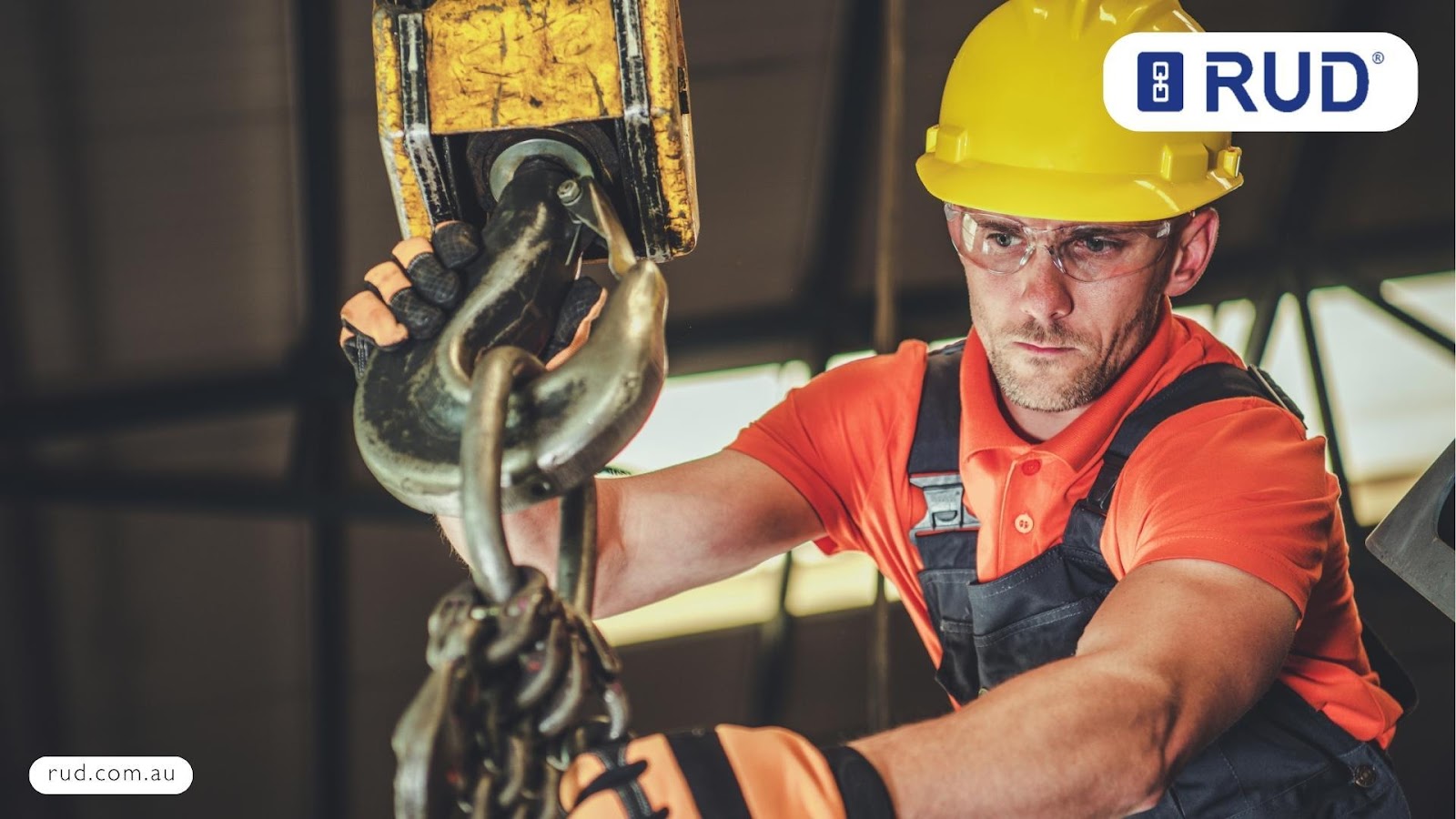
- Inspect visible parts thoroughly: Look closely at slings, hooks, shackles, and chains. Even minor frayed edges, stretched links, cracked surfaces, or bent fittings all signal damage.
- Check load ratings are legible and appropriate: Each item should clearly show its Working Load Limit (WLL). If markings are missing or hard to read, set the gear aside.
- Look for corrosion, fatigue, or wear points: Rust, pitting, and hairline cracks often develop in welds and high-stress zones. These weaken the gear and increase strain under load.
- Review repair and maintenance history: Consistent records help confirm if the gear has been serviced properly. Check logs for past inspections, part replacements, reported faults, and service dates to confirm proper maintenance.
- Track time and usage: Lifting gear wears over time based on how often and how heavily it’s used. Keep notes on service life.
Based on our experience, we can say that detailed checks like these reduce incidents significantly.
Case Study: A Cautionary Tale from the Field

Even well-trained crews can face danger if they miss minor details.
At a New South Wales construction site, a 10-tonne concrete panel slipped mid-lift. Investigators later found the lifting clutch was worn and hadn’t been checked in weeks. The incident triggered a full shutdown and a hefty compliance review.
Simple maintenance and record-keeping could have stopped this. The lesson here? Maintenance matters.
Culture Over Compliance: The Role of Leadership in Safety
When leadership sets the tone, safety becomes something teams own.
With strong support from the top, safe habits take root and help lower industrial risk while supporting long-term injury prevention.
Here’s what leaders can do to build a proactive safety culture:
- Hold regular toolbox talks focused on real scenarios and lessons from the field.
- Create open reporting channels where workers can speak up without fear of blame.
- Reward safe practices with small recognition, such as public praise, shout-outs, or team incentives.
- Lead by example by wearing PPE, following protocols, and showing visible support.
- Act on feedback to show that safety concerns are taken seriously.
Action Plan: How to Reduce Your Risk Starting Today

A strong safety culture means nothing without follow-through. These simple actions can help teams turn good intentions into reliable daily practice.
- Start with a lifting gear audit: Walk through your site and inspect slings, hooks, and shackles for visible damage. Cross-check usage logs, service history, and weight ratings.
- Schedule regular, practical training: Focus on real equipment. Include updates on recent lifting failure causes and how to avoid them.
- Review past incident data: Patterns often show up in near misses. Use this insight to strengthen procedures and identify weak points.
- Make lifting safety part of daily tasks: Integrate quick checks into start-of-shift routines.
Simple steps like these go a long way in improving injury prevention efforts.
Turning Awareness Into Action
Lifting failures cause delays, increase costs, and put people at risk. We’ve covered how ignored gear, missed checks, and rushed jobs can lead to serious consequences. Each section has shown how small steps like daily inspections, team-led safety conversations, and choosing the right gear can reduce lifting failure causes and limit industrial risk.
If you’re ready to strengthen your lifting setup, RUD offers gear designed to handle tough conditions with safety in mind. Explore our range and find the right fit for your team and site.
Now is a good time to take the next step. Review your equipment, refocus your training, and set the tone for safer lifts ahead.

Samar
Punsuniverse — a realm crafted by me, Samar! You will find everything here that is related to puns, weather its food, animals, names or something elsse.