
Understanding Piano Levels: A Beginner’s Guide to Online Piano Lessons
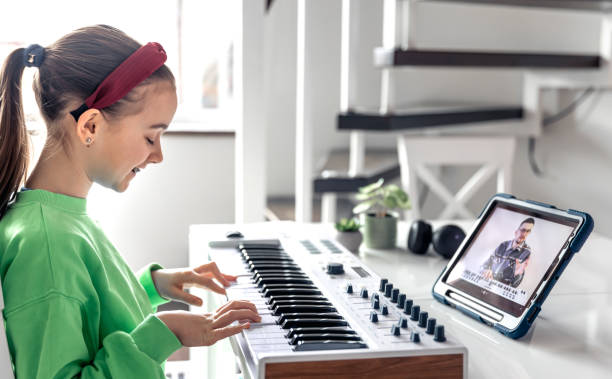
Learning the piano is a fulfilling journey; it comes with its own learning curve and structure. For beginners, understanding the different levels of piano proficiency can provide clarity, motivation, and a roadmap to becoming a confident player. Whether you’re completely new to the keyboard or returning after years away, this guide will break down piano levels, helping you progress with purpose and ease.
Online piano classes have transformed how beginners can access quality education from their own homes. Thanks to online music platforms, students can now track their progress across various levels, connect with expert instructors, and even prepare for globally recognized music exams without leaving their living room.
Why Understanding Piano Levels Matters
Piano levels aren’t just about categorizing students, but they’re a framework for structured learning. Knowing what level, you’re at (or aiming for) helps:
- Choose the right learning course
- Set realistic goals
- Track your progress
- Prepare for exams like Trinity or ABRSM
- Communicate clearly with teachers
Skipping this foundational understanding can lead to frustration, mismatched lessons, and burnout.
The Standard Piano Learning Levels
While some institutions use different naming conventions, most piano progression systems divide the learning path into three main categories:
1. Beginner (Pre-Grade to Grade 1)
This stage is all about getting comfortable with the piano. Beginners learn:
- Finger numbering and hand positions
- Basic music theory (staff notation, rhythm, note values)
- Simple pieces using one hand, then both hands
- Playing in C major chords and other easy keys
2. Intermediate (Grade 2 to Grade 5)
Students can now read music fluently and play with both hands across different keys. Skills developed include:
- Scales and arpeggios in multiple keys
- Dynamics, articulation, and phrasing
- More advanced sight-reading and aural skills
- Playing classical pieces from various eras
At this level, students often explore foundational repertoire by composers like Mozart, Beethoven, and early Romantic masters.
3. Advanced (Grade 6 and above)
Advanced learners can tackle complex pieces requiring strong technique, interpretative depth, and musical maturity.
- Fast finger work and technical accuracy
- Advanced theory and composition understanding
- Interpretation of contrasting musical styles
- Performance preparation and personal expression
Graduates from this level often pursue diploma courses, perform in recitals, or teach others.
Online Piano Classes for Beginners: What to Expect
Starting your musical journey with piano lessons for beginners can feel daunting, but it’s never been more accessible or rewarding. With video lessons, interactive apps, and live teacher feedback, learners can follow a progressive curriculum aligned with recognized grading systems.
Here’s what a good beginner-focused:
- Structured lesson plans from pre-Grade to Grade 1
- Play-along backing tracks
- Finger exercises and warm-ups
- Regular assessments to track progress
- Supportive feedback from qualified instructors
It’s also flexible, meaning, students can learn at their own pace, revisit tricky concepts, and schedule lessons around their daily routines.
How Long Does It Take to Complete Each Level?
Piano learning is personal and nonlinear, but here’s a rough timeline for each level:
| Level | Approximate Time | Learning Focus |
| Beginner | 6–12 months | Basics, music reading, hand coordination |
| Grade 2–3 | 6–9 months per grade | Technical growth, musical interpretation |
| Grade 4–5 | 9–12 months per grade | Expression, confidence, stylistic awareness |
| Grade 6+ | Varies | Mastery, performance, teaching readiness |
Progress may be faster with prior musical experience or slower if you’re learning casually. The key is consistency, just 20 minutes a day can yield great results.
Choosing the Right Tutor
A good piano tutor understands your goals, adapts to your pace, and offers personalized feedback. Whether you choose a one-on-one tutor or a structured online course, look for:
- Qualifications: Certified by institutions like Trinity, ABRSM, or similar
- Experience: Proven track record with beginner students
- Resources: Practice materials, exam preparation tools, theory worksheets
- Support: Feedback mechanisms, video reviews, live sessions
Before committing, many online music platforms offer trial lessons or free introductory modules to help you decide if their teaching style fits your needs.
By including classical pieces with Baroque ornamentations on piano, like those by Handel or early Bach, you can also improve expressive control and understanding of historical performance techniques for beginners.
Tips to Stay Motivated
Learning the piano isn’t a sprint; it’s a musical marathon. Here’s how to stay inspired:
- Set short-term goals: Learn a new piece every 2–3 weeks
- Record your progress: It’s satisfying to look back
- Join online communities: Share videos, ask questions, get support
- Play music you love: Whether it’s film scores or pop songs, balance structure with fun
Most importantly, celebrate small victories: mastering a tricky hand position or finally nailing that left-hand rhythm. Progress may feel slow at times, but every step is not possible.
Final Thoughts
Understanding piano levels helps demystify the learning process and empowers beginners to stay on track. With clear goals, the right guidance, and steady practice, you can grow from playing your first note to confidently interpreting full pieces.
Thanks to the rise of digital learning, accessing piano classes has never been easier or more effective. Whether you’re aiming for a music exam like trinity grade 1 piano, want to explore musical styles, or simply hope to enjoy the therapeutic benefits of playing, there’s never been a better time to begin your journey.
Start small, stay consistent, and let every note you play bring you one step closer to your musical goals.

Samar
Punsuniverse — a realm crafted by me, Samar! You will find everything here that is related to puns, weather its food, animals, names or something elsse.


