Chess Set Craftsmanship and Its Role in Modern-Day Collections
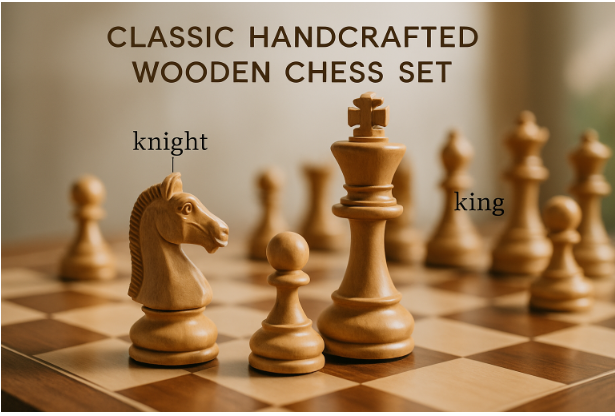
Table of Contents
- The Artistry of Handcrafted Chess Sets
- Historical Significance of Chess Set Designs
- Materials and Techniques in Chess Set Crafting
- The Collector’s Perspective
- Preserving Tradition in the Digital Age
- Final Thoughts
Chess is more than just a battle of minds. It is also an enduring symbol of artistry and tradition. The craft of making chess sets, particularly classic and antique examples, continues to delight enthusiasts worldwide. For those who appreciate both the cerebral and visual pleasures of chess, investing in vintage chess sets combines the excitement of gameplay with the beauty of artistic expression. The detailed work, originality, and history behind each set endow them with value and make them highly desirable among collectors.
Every handcrafted chess set tells a unique story. The skilled effort put into carving and finishing each piece sets the stage for a gaming experience filled with nostalgia and admiration. These pieces become more than objects; they echo generations of design, symbolizing the regions and times from which they came. Owning a beautifully crafted chess set bridges the worlds of art and gaming, providing a sensory, tactile experience that digital chess can never fully replicate.
The allure of these sets, whether displayed as a living room centerpiece or passed down as family heirlooms, cements their status as cultural artifacts. Their enduring appeal draws in enthusiasts of all ages, kindling appreciation for the tactile and historical elements of the game. As the art of chess set making changes with the times, its roots in tradition and creative vision remain steadfast offering players not only a game but a tangible connection to history.
The Artistry of Handcrafted Chess Sets
Handcrafted chess sets delight both for their functional purpose and their artistic merit. Artisans who specialize in creating chess sets draw on years of practice to design pieces that are not merely uniform but individually expressive. A masterfully carved knight might reflect the personality of a real warhorse, while the stately king and queen command attention through balanced form and elegant details. Collectors favor the individuality and subtle imperfections of handcrafted pieces, which set them apart from mass-produced alternatives and ensure every set is distinctive.
Historical Significance of Chess Set Designs
The evolution of chess set design captures a layered history encompassing cultural, political, and artistic developments. Iconic designs, such as the Lewis chessmen unearthed in Scotland, provide a window into medieval society, with figures that reflect Norse influence and societal hierarchies. In contrast, East African Makonde sets illustrate the significance of regional art and history, featuring intricate designs linked to tribal cultures and traditional storytelling. These disparate styles share one thing: a narrative that enhances the value of each set and underscores the game’s global journey.
Materials and Techniques in Chess Set Crafting
Material selection plays a critical role in the craft and longevity of chess sets. Classical sets are often carved from sturdy hardwoods like ebony, rosewood, or boxwood, prized for their weight and fine grain. In some regions, bone, ivory, and marble have also been employed, testifying to resourcefulness and luxury. Advanced woodworkers use hand tools to sculpt details, while inlay artists meticulously fit materials such as mother-of-pearl or contrasting wood to further embellish boards and pieces.
The Collector’s Perspective
Collectors are captivated by chess sets for multiple reasons: their artistic quality, the rarity of their materials, their historic significance, and the feeling of connecting with the past. A hand-carved chess set is more than a plaything; it is a cultural artifact meant to be displayed and cherished. Sets with well-documented provenance or those made by known artisans can fetch notable prices at auction, particularly those with historical links or limited runs. The pursuit of owning such unique items fosters a vibrant marketplace where collectors share stories and insights, further enriching this specialized field. Recent articles by major publications note a growing trend in collecting board games as investment assets, underscoring how value can transcend utility.
Preserving Tradition in the Digital Age
The tactile joy of physically holding chess pieces, feeling the grain of polished wood or the coolness of marble, is an experience that online platforms cannot simulate. In a world increasingly moved by screens and automation, well-crafted physical chess sets represent an important cultural heritage, offering an opportunity to step away from the digital mainstream. Leading chess companies and independent craftsmen continue to innovate, blending traditional techniques with contemporary design sensibilities to keep the art vibrant and relevant. Chess remains a living tradition, both intellectually stimulating and aesthetically enduring.
Final Thoughts
The tradition of chess set craftsmanship holds a central place in the appreciation and collecting of chess today. The interplay of artistry, history, and tactile pleasure elevates these sets far beyond mere game equipment. As digital gaming grows, interest in handcrafted chess sets endures, affirming their role as both utilitarian objects and vehicles for cultural preservation and personal delight. This time-honored craft continues to thrive, offering collectors and players a timeless connection to the heritage and beauty of chess.

Samar
Punsuniverse — a realm crafted by me, Samar! You will find everything here that is related to puns, weather its food, animals, names or something elsse.