Everything You Need to Know About Groundworks Before Building
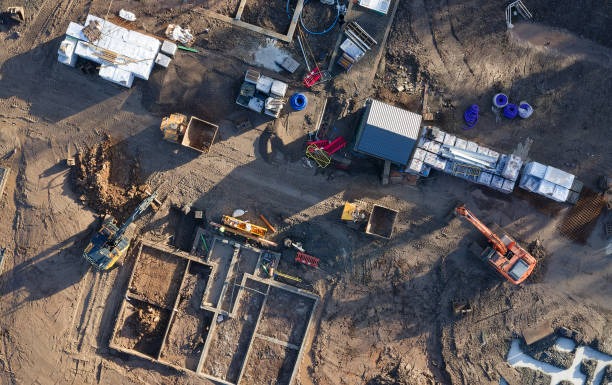
Embarking on a new building project, whether it’s a modest extension or a grand new build, is an exciting undertaking. However, before the first brick is laid or the timber frame erected, a crucial phase often unseen but absolutely fundamental must take place: groundworks. These initial stages, while seemingly unglamorous, are the very bedrock upon which the entire structure will stand. Neglecting or underestimating the importance of thorough groundworks can lead to costly problems, delays, and even structural failures down the line. This comprehensive guide, using information from Kane Construction will delve into everything you need to know about groundworks before building, ensuring your project starts on solid footing.
What Exactly Are Groundworks? Defining the Essential First Steps:
Groundworks encompass all the preparatory work carried out on a site before the main construction begins. Think of it as preparing the canvas before an artist starts to paint. These tasks are essential for creating a stable, level, and properly serviced foundation for your building. The specific elements of groundworks can vary depending on the project’s scale, location, and the site’s unique characteristics, but they generally include:
- Site Clearance: Removing any existing vegetation, trees, topsoil, debris, and existing structures from the building footprint.
- Excavation: Digging trenches for foundations, drainage systems, and service pipes. This may involve different types of excavation depending on the soil conditions and foundation design.
- Soil Testing and Analysis: Crucial for understanding the load-bearing capacity and stability of the ground, informing foundation design and potential ground improvement measures.
- Foundation Laying: Constructing the chosen foundation type, which could be strip footings, trench fill, raft foundations, or piled foundations, depending on the soil conditions and building design.
- Drainage Installation: Implementing systems to manage groundwater and surface water, preventing dampness and potential structural issues. This includes installing land drains, soakaways, and connecting to the main drainage network.
- Service Installation: Laying pipes and ducts for essential services such as water, gas, electricity, and telecommunications.
- Hard Landscaping Preparation: Initial work for driveways, patios, and other hard landscaping elements may also fall under groundworks.
- Retaining Walls (if required): Constructing walls to support changes in ground level.
Why Thorough Groundworks Are Absolutely Non-Negotiable:
Skipping corners or underestimating the complexity of groundworks is a false economy that can lead to significant problems in the future. Here’s why getting it right from the start is paramount:
- Ensuring Structural Integrity: The foundations are the base that supports the entire weight of the building. Properly executed groundworks ensure these foundations are stable and capable of bearing the load without settling or shifting, preventing cracks, distortions, and potential collapse.
- Preventing Damp and Water Damage: Effective drainage systems installed during groundworks are crucial for managing groundwater and surface water. Poor drainage can lead to dampness in basements and ground floors, causing mould growth, structural damage to timber, and health issues.
- Facilitating Smooth Construction: Well-prepared groundworks provide a level and accessible site for the main construction works to proceed efficiently and safely. Uneven ground or poorly laid services can cause delays and complications for subsequent trades.
- Meeting Building Regulations: Groundworks are subject to stringent building regulations to ensure safety and structural stability. Proper execution and inspection are essential for compliance.
- Avoiding Costly Remedial Work: Addressing foundation issues or damp problems after the building is complete is significantly more expensive and disruptive than getting the groundworks right in the first place. Remedial work can involve underpinning, damp proofing, and extensive excavation, costing many times the initial groundwork investment.
- Protecting Your Investment: A building with sound foundations and effective drainage will be more durable and maintain its value over time. Poor groundworks can compromise the longevity and resale value of your property.
The Essential Stages of the Groundworks Process:
Understanding the typical stages involved in groundworks will help you appreciate the complexity and importance of this phase:
- Site Investigation and Soil Testing: Before any digging begins, a thorough site investigation is crucial. This involves analysing historical site data and conducting soil tests to determine the soil type, load-bearing capacity, drainage characteristics, and potential for contamination. This information dictates the most appropriate foundation design and any necessary ground improvement measures.
- Site Clearance and Preparation: Once the site investigation is complete, the area is cleared of any obstacles. This may involve felling trees, removing vegetation, demolishing existing structures, and stripping topsoil to expose the subsoil for construction.
- Excavation: Excavating for foundations is a critical stage that requires precision and adherence to the structural engineer’s plans. The depth and width of trenches will vary depending on the foundation type and soil conditions. For larger projects, bulk excavation may be required for basements or complex foundation designs.
- Foundation Construction: This is where the chosen foundation type is built.
- Strip Footings: Continuous concrete strips laid beneath load-bearing walls.
- Trench Fill: Concrete poured directly into excavated trenches.
- Raft Foundations: A reinforced concrete slab covering the entire building footprint, used on weaker soils.
- Piled Foundations: Used on very weak or unstable soils, involving driving or boring piles deep into the ground to transfer the building’s load to a stronger stratum.
- Drainage Installation: Installing effective drainage is vital. This includes laying land drains around the perimeter of the foundations to intercept groundwater, installing soakaways to manage surface water runoff in permeable soils, and connecting foul and surface water drainage to the main sewer system. Proper gradients and pipework are essential for efficient drainage.
- Service Installation: Before the ground is backfilled, pipes and ducts for essential services are laid according to the utility providers’ specifications. This requires careful coordination to ensure correct placement and depths.
- Ground Level Preparation and Hard Landscaping: Once the foundations, drainage, and services are in place, the ground level is prepared for the main construction. This may involve backfilling excavations and compacting the soil. Initial work for hard landscaping elements like driveways and patios might also be undertaken.
Choosing the Right Groundworks Contractor: Expertise Matters:
Selecting a competent and experienced groundworks contractor is crucial for the success of your building project. Look for a contractor who:
- Has a Proven Track Record: Check references and review past projects.
- Is Fully Insured: Ensure they have adequate public liability and employers’ liability insurance.
- Is Knowledgeable About Local Ground Conditions: Experience in your area is a significant advantage.
- Provides Clear and Detailed Quotes: Understand the scope of work and associated costs.
- Works in Compliance with Building Regulations: Ensure they are familiar with and adhere to all relevant regulations.
- Has Qualified and Experienced Operatives: Skilled and trained personnel are essential for quality workmanship.
- Communicates Effectively: A good contractor will keep you informed throughout the process.
In Conclusion: Laying the Groundwork for Success:
Groundworks are the unsung heroes of any building project. While they may not be the most visually exciting phase, their importance cannot be overstated. Thorough planning, meticulous execution, and the engagement of experienced professionals are essential for creating a stable, safe, and durable foundation for your building. By understanding the processes involved and appreciating the critical role of groundworks, you can ensure your project starts on the right footing and avoid potentially costly and disruptive problems down the line. Invest wisely in your groundworks, and you’ll be laying the groundwork for long-term success and a building that stands the test of time.

Samar
Punsuniverse — a realm crafted by me, Samar! You will find everything here that is related to puns, weather its food, animals, names or something elsse.